Psychosomatic Symptoms Explained:
How Stress Creates Real Physical Pain
Author: Alex Guru | Reading time: 12 minutes

You've seen every specialist. The cardiologist says your heart is fine. The gastroenterologist finds no ulcer. The neurologist recommends vitamins and rest. And yet — the chest tightness, the lump in your throat, the bone-deep fatigue — none of it goes away. The doctors shrug and deliver their verdict: 'It's stress-related.' In clinical terms: psychosomatic illness.
Many people hear that and feel accused of making it all up. But the pain is real. The muscle spasm is real.
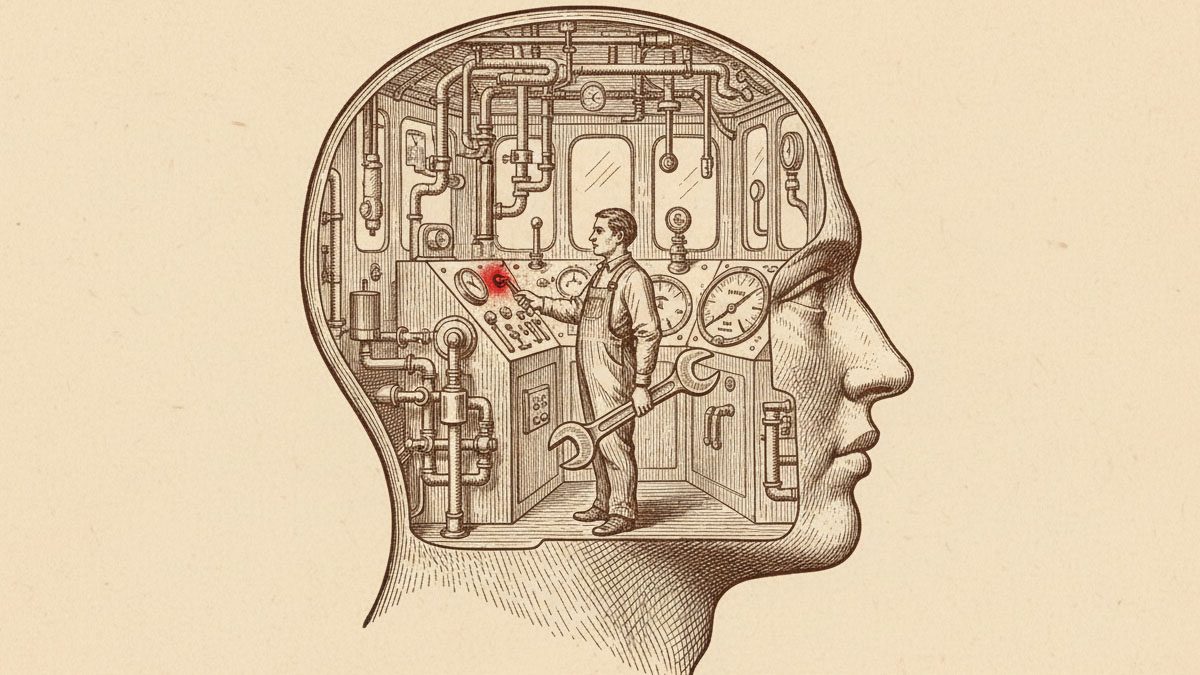
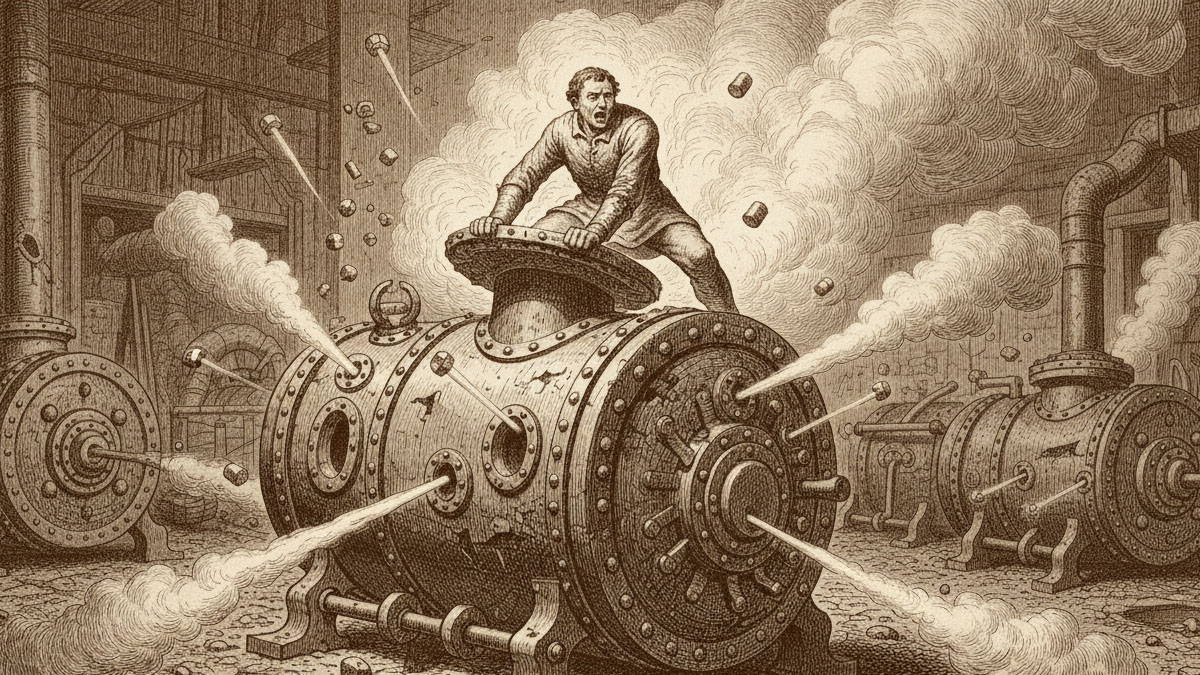
At the 'Consciousness Workshop', we don't deal in vague spiritual concepts. We use an engineering approach. Your body is a sophisticated biomechanical system, and your mind is the software that runs it. When the software crashes — chronic stress, suppressed emotions — the hardware (your body) inevitably starts to break down.
In this article, we'll walk through exactly how that process works, give you a 'map' of the body's distress signals, and show you how to stop sending your system the commands that are wearing it out.
🛡 Before You Begin:
Medical Disclaimer and Emotional Safety
Psychosomatic illness is a genuine medical reality — but it is a diagnosis of exclusion. The symptoms described here (pain, spasm, a lump in the throat) can also be signs of physical, organic conditions.
Important: Before applying any self-regulation techniques, get a full medical check-up. If your doctors have confirmed: 'There's nothing physically wrong — it's stress-related' — then this article is for you. Do not attempt self-treatment for acute physical pain.