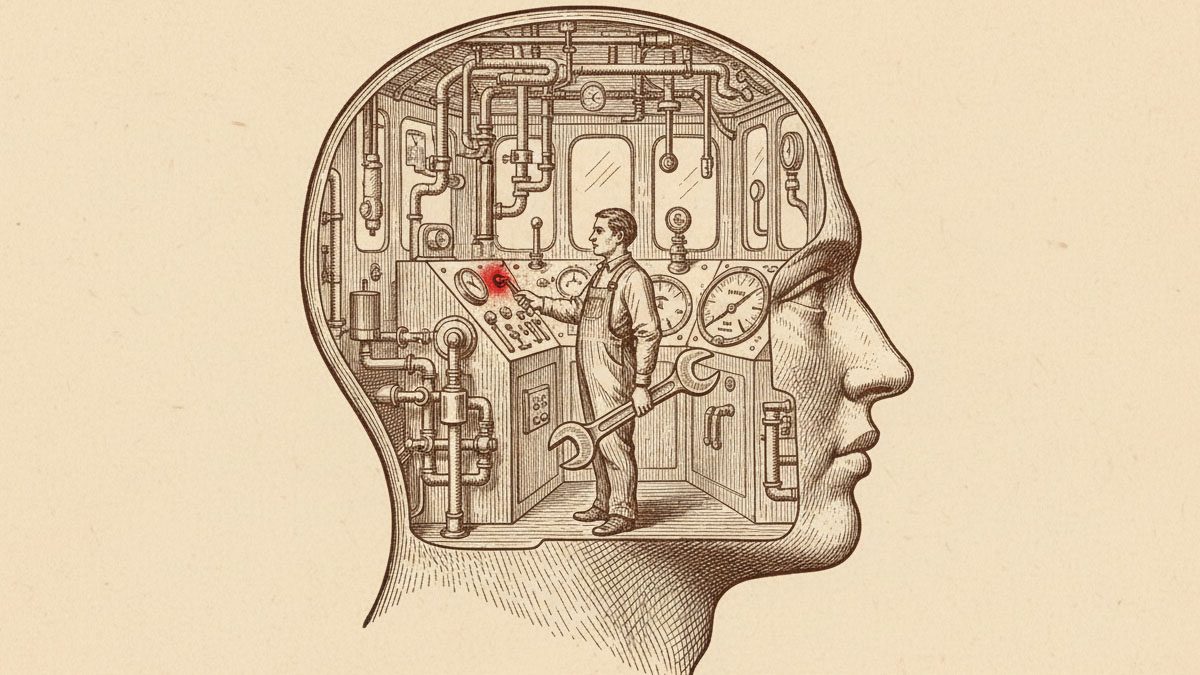
Mood Swings Explained:
Why You Crash After Feeling Great
Author: Alex Guru | Reading time: 5 minutes

In the morning, you feel like you could take on the world. Ideas are flowing, you love everyone around you, and your plans are nothing short of ambitious. It feels like this energy will last forever.
Then two days pass — or sometimes just two hours — and everything collapses. The world turns grey, people become irritating, and those grand plans suddenly seem ridiculous. All you want is to curl up and face the wall.
You live in On/Off mode. The people closest to you never know which version of you they'll get today — the enthusiastic go-getter or the withdrawn, sullen stranger. You've probably searched 'bipolar disorder symptoms' or 'mood swings causes,' wondering: is something wrong with me, or am I just burnt out?
In 95% of cases, it's not a psychiatric issue. The real problem is that you haven't learned to manage your energy budget, and your nervous system is running on empty from chronic stress. (For a deeper look at how stress works and why we lose control, read our Complete Guide: How to Stop Feeling Anxious and Start Living.) In this article, we'll break down the specific mechanics of emotional mood swings, show you how to step off this exhausting ride, and clarify the difference between a mental health condition and burnout.