What Is the Captain and Advisor Technique? Meaning Explained

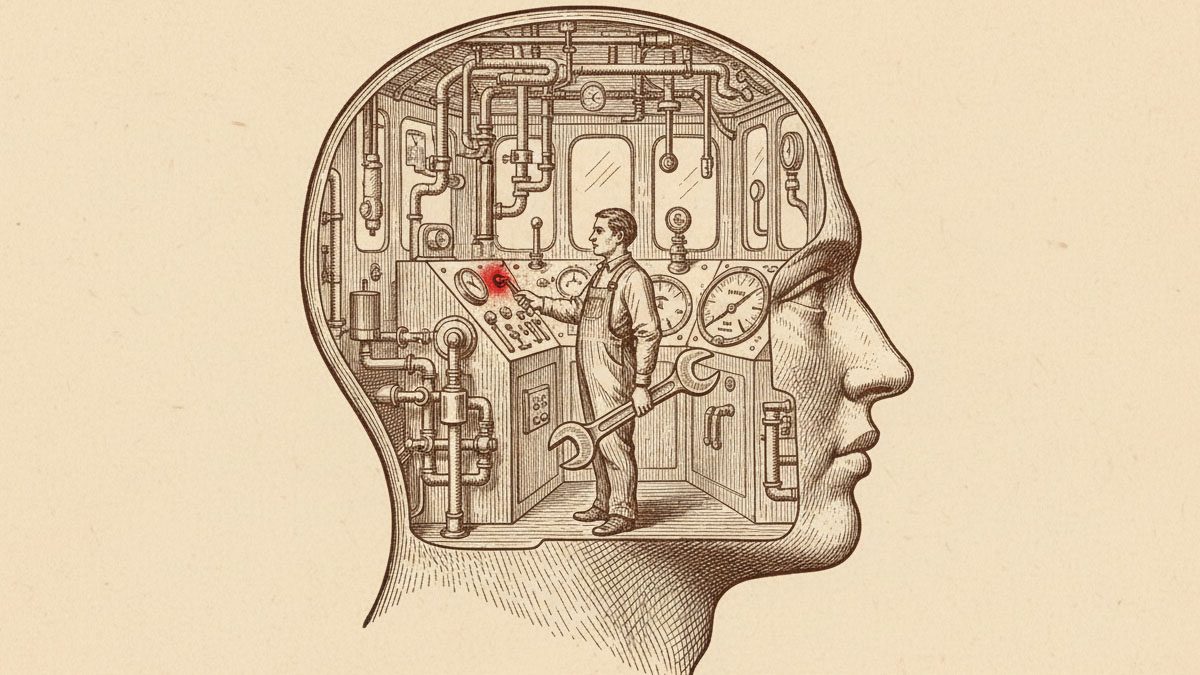
Engraving of a captain and advisor on a ship's bridge — metaphor for balancing intuition and logic in decision-making.

The Captain and Advisor Technique is a psychological decision-making framework and one of the core tools of Self-Coaching. It resolves the inner conflict between logic and emotion (intuition) by establishing a clear division of roles within the psyche: your True Desire (the "Captain") sets the goal and direction, while your Rational Mind (the "Advisor") analyzes risks and charts the route — but has no authority to override the chosen goal out of fear.

How the Captain and Advisor Technique Works in Decision-Making

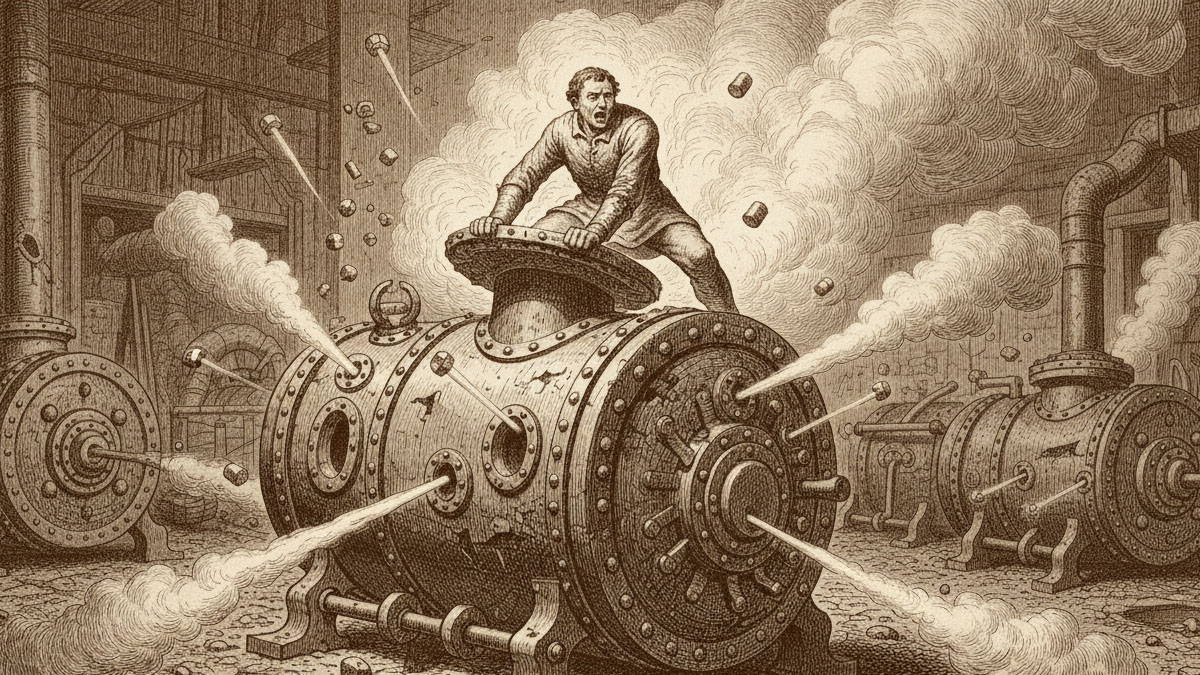
Engraving of a mutiny at sea, with the advisor seizing the helm — metaphor for analysis paralysis and fear blocking forward movement.

Why do we freeze when we need to make an important decision? Because two voices are fighting for control at the same time.

1. The "Advisor" (Logic / Fear):

Processes data, calculates risks, seeks safety. It often panics and blocks action.

2. The "Captain" (Heart / Intuition):

Operates on the energy of "I Want" — the anticipation and pull of a "Battery Desire" — and sets the direction of movement.

The breakdown happens when the "Advisor" seizes control and refuses to move forward («This is too risky / it doesn't make sense»), or when the "Captain" ignores the icebergs ahead.

The solution is to establish a clear hierarchy: the Advisor provides data, but the Captain makes the final call.

Captain vs Advisor Roles:
Intuition, Logic, Fear, and True Desire

People often confuse these two roles — trying to "want" with their head or "reason" with their heart. The table below draws a clear boundary.

Role Division Chart

Function
🦁 Captain (Heart / Intuition)
🦉 Advisor (Mind / Logic)

Core Question

"What do I WANT?"

"HOW do I do this safely?"

Area of Responsibility

Choosing the destination (the Goal).

Charting the route and gathering supplies (the Plan).

Fuel

Energy, Drive, Dopamine.

Data, Facts, Doubts.

Critical Error

Ignoring the map (Risk of recklessness).

Refusing to sail (Risk of depression).

Outcome

Without the Captain, the ship doesn't move (no energy).

Without the Advisor, the ship runs aground (no plan).

Scientific foundation (Somatic Marker Hypothesis): Logic is physically incapable of making decisions on its own. This was demonstrated by neuroscientist Antonio Damasio.

Think you should make decisions with a cool head? Think again.

Neuroscientist Antonio Damasio studied patients with damage to the emotional region of the brain (the Captain) while their intellect (the Advisor) remained fully intact.

Result:
These patients could spend hours analyzing a restaurant menu — comparing calories and prices — yet were physically unable to make a choice.

Key insight:
Logic is a calculator. It can weigh your options, but it cannot generate the impulse to act. Only emotion (the Captain) provides that energy. Trying to make a decision through pure logic is like having a perfect GPS with a dead battery — you know the route, but you're going nowhere.

When to Use the Captain and Advisor Technique (Signs You’re Stuck)

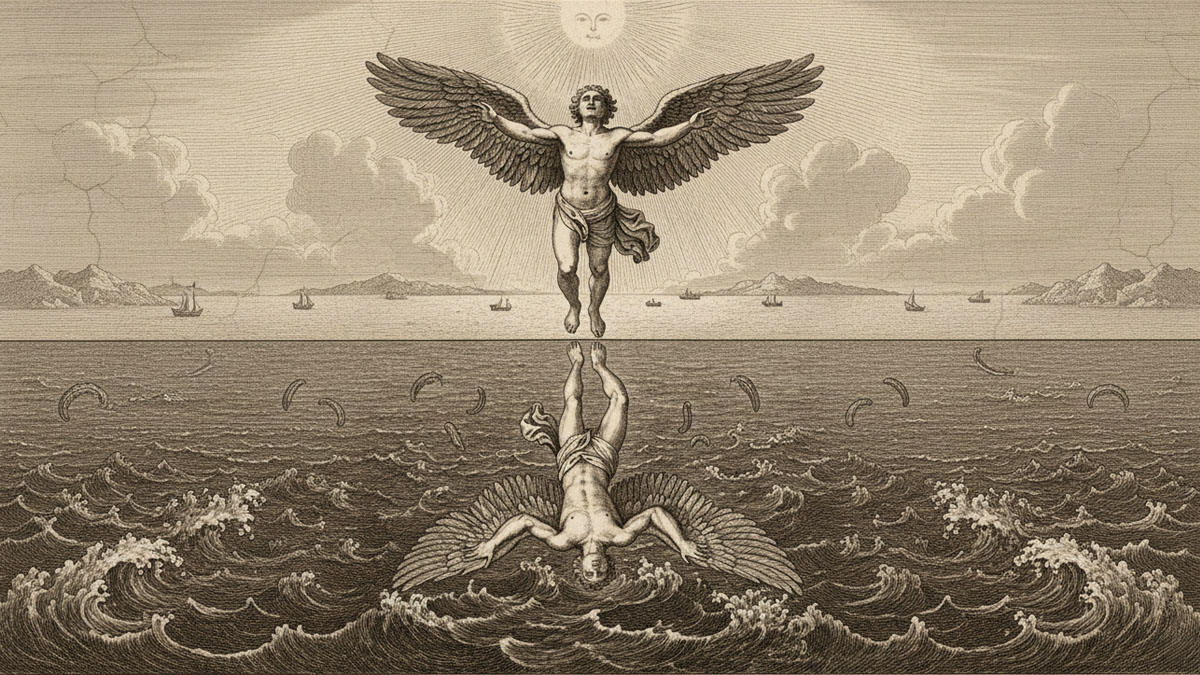
Engraving of a person endlessly weighing options on a scale — metaphor for the impossibility of making decisions through logic alone.

This technique is for you if you're stuck in a cycle of doubt and recognize any of these patterns:

Analysis paralysis:

You endlessly weigh the pros and cons but can't move forward. This is the state of analysis paralysis and FOMO — and it drains your energy without producing results.

Energy drain:

You've made the "logically correct" decision, but you have no motivation to follow through (because the Captain is against it).

Regret:

You often think, "I should have done it differently" — because the decision was driven by fear, not genuine desire.

  • "The Captain speaks the language of Battery Desires. If the Captain goes silent, you're rowing against the current."
  • "Often, the Advisor's voice isn't your logic — it's Mental Viruses and the echoes of fearful parental voices."
  • "To keep the Advisor from panicking, it needs Emotional Grounding — a guarantee of safety."

How to Apply the Technique:
Step-by-Step to Clarity and Confidence

Engraving of a navigator plotting a course on a map — metaphor for using logic to reach an intuition-driven goal.

This decision-making technique consists of four steps:

1. Check in with the Captain:

Turn off your logical mind and ask yourself: "What do I actually want? What am I drawn toward?" Catch the first impulse that arises.

2. Hear the Advisor's report:

Now engage your logic. Write down all the pros, cons, and risks. Look at the true cost of this decision clearly and honestly.

3. The Captain's final word:

Looking at the list of risks, ask yourself: "Knowing all of this — do I still want to go there?" If the pull and anticipation remain, that is your true decision.

4. Give the order:

Act without second-guessing. The Advisor's job is no longer to talk you out of it — it's to chart the safest course toward the goal you've already chosen.

Example:
Quitting Your Job

Here's what this process sounds like inside your head — so you can start applying the technique right away.

  1. Captain (The Impulse): "I want to quit and open my own bakery. I'm exhausted by this office." (There's energy. There's direction.)
  2. Advisor (The Panic): "Are you out of your mind?! We have a mortgage! We'll go broke! The market is saturated! Absolutely not!" (Attempting to seize the wheel.)
  3. The Right Conversation (The Technique):
  • You (Consciousness): "Easy. Advisor, I hear your fear. Your job isn't to stop us — it's to keep us safe."
  • You to the Advisor: "Build a plan: How much do we need in savings as a safety net? What licenses and steps are required? Map out the risks."
  • You to the Captain: "We're heading to the Bakery. But we set sail in 3 months, once the Advisor has everything prepared."

Result: The Captain is happy (we're moving forward!), the Advisor is calm (we're prepared).

This framework is a key tool in Course 2: "The Path to Yourself". You can learn to hear both voices and make decisions you won't regret in the free lesson below: