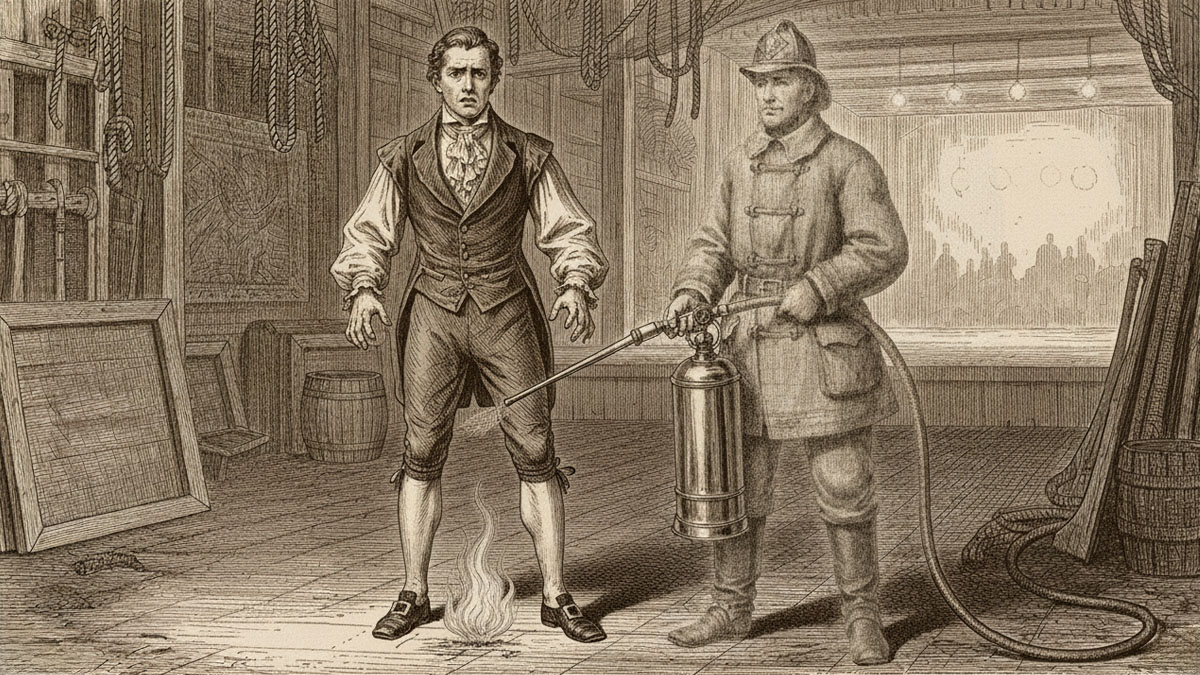
Lucid Dreaming Techniques for Self-Discovery, Healing, and Growth
Author: Alex Guru | Reading time: 6 minutes

We spend a third of our lives asleep. For most people, that time is simply lost — eight hours of darkness or a jumbled reel of random images. We tend to think sleep is only for physical rest (and if you want to optimise your recovery, check out our article Food and Sleep for Energy).
But what if you had a built-in supercomputer with perfect graphics — and you simply forgot the password? What if the night is actually prime time for the most intensive subconscious work, learning, and experiences that waking life simply cannot offer?
In this article, we explore the phenomenon of lucid dreaming not as mysticism, but as a practical, learnable skill. You will discover how to turn your nightly rest into a training ground and how to take control of your dreams using simple reality-check techniques.
🛡 Lucid Dreaming Safety Warning:
Who Should Avoid These Practices
The techniques described here — disidentification, inner dialogue suspension, and working with emptiness — are powerful tools that directly affect the psyche.
Contraindications:
Clinical depression, mental health conditions (schizophrenia, bipolar disorder, psychosis), and use of strong psychotropic medications. If you are under psychiatric care, only practice these techniques with your doctor's approval.
If you experience intense anxiety or feel destabilised at any point — stop the practice immediately and ground yourself.