Meditation Side Effects:
When Spiritual Practice Triggers Anxiety
Author: Alex Guru | Reading time: 7 minutes

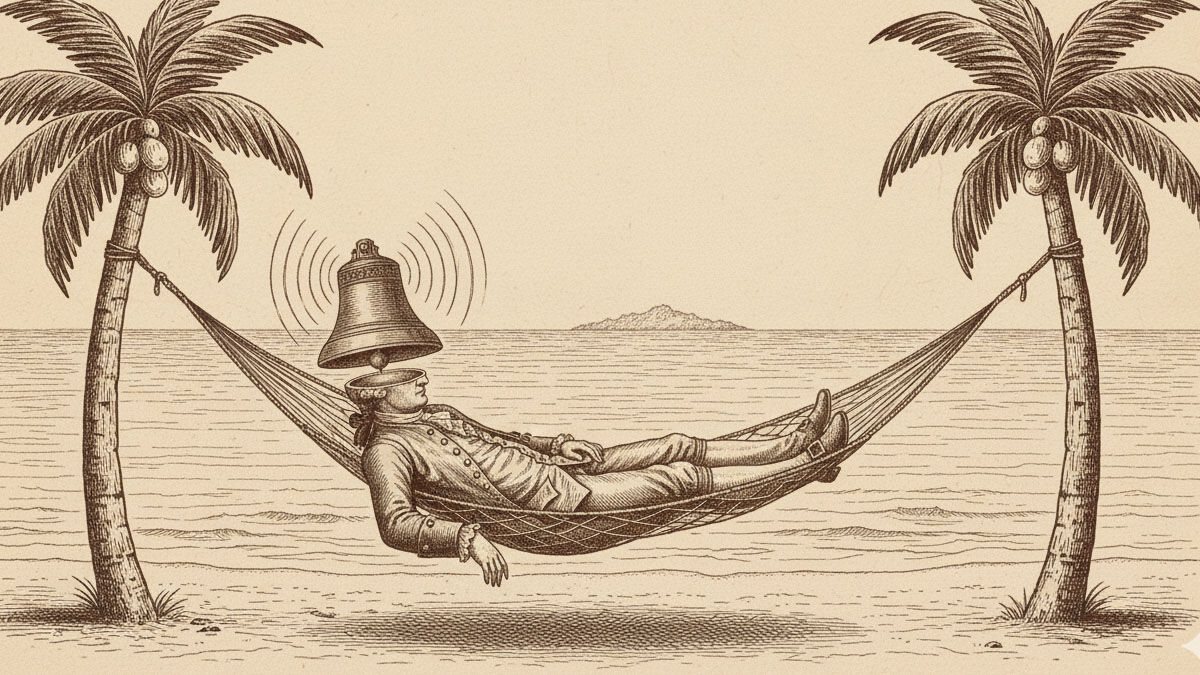
You started meditating to find peace — but instead of calm, you got panic attacks. You went on a retreat seeking clarity, and came back feeling completely untethered — unable to relate to ordinary life.
People tell you: 'This is just a purge, keep going.' But you keep feeling worse.
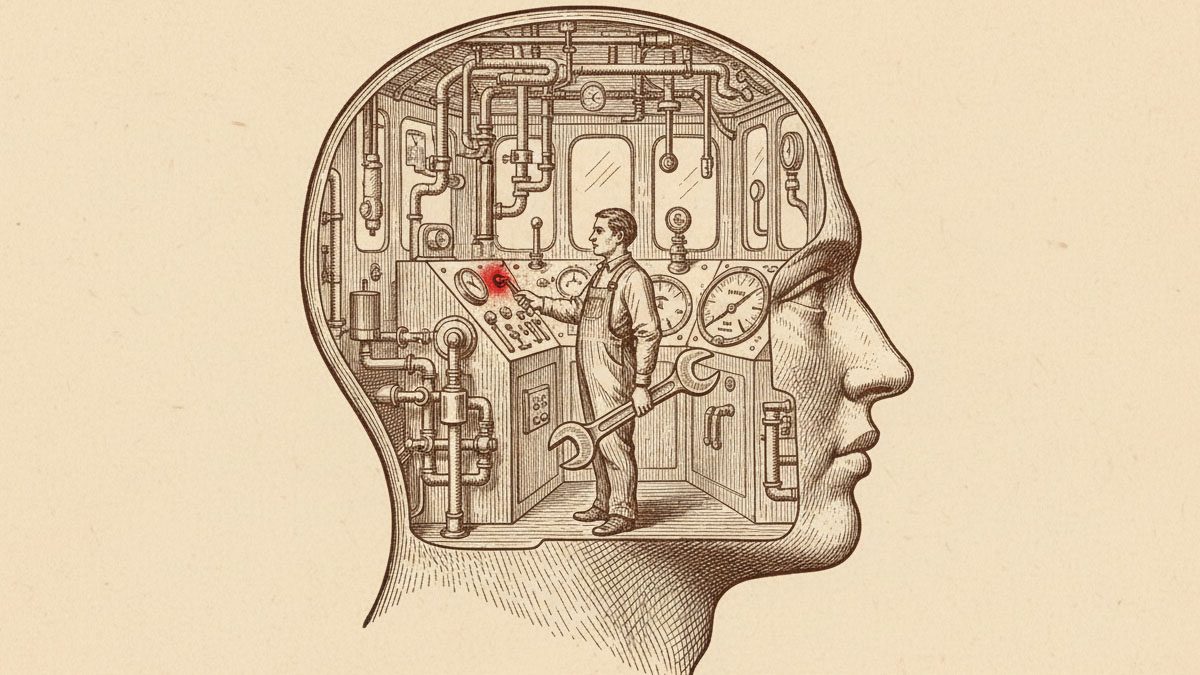
It's rarely talked about in spiritual circles, but the adverse effects of meditation and intensive breathwork are very real. If your psyche isn't ready for the load, trying to 'expand your consciousness' can cause it to collapse instead.
In this article, we break down the safety principles of working with the mind. You'll discover why you can't build a skyscraper on sand — and what the Inner Core is, and why without it any spiritual practice can become genuinely dangerous.
🛡 Meditation Safety Guidelines and Mental Health Precautions
Psychosomatics is a genuine phenomenon, but it is always a diagnosis of exclusion. The symptoms described in this article — pain, tension, a lump in the throat — can also be signs of physical medical conditions.
Important rule: Before applying any self-regulation techniques, consult a doctor and undergo a medical examination. If your doctor says, 'There's nothing physically wrong — it's stress-related,' then this article is for you. Do not attempt self-treatment for acute physical pain.
🛡 Warning: High-Intensity Inner Work
The techniques described here — disidentification, inner silence, working with emptiness — are powerful tools that directly affect the mind and psyche.
Contraindications: Clinical depression, psychiatric conditions (schizophrenia, bipolar disorder, psychosis), use of strong psychotropic medications. If you are under psychiatric care, only practise these techniques with your doctor's explicit approval.
If you experience intense anxiety or feel destabilised at any point — stop the practice immediately and ground yourself.