Energy Gain Mode vs Energy Loss Mode Explained for Better Energy

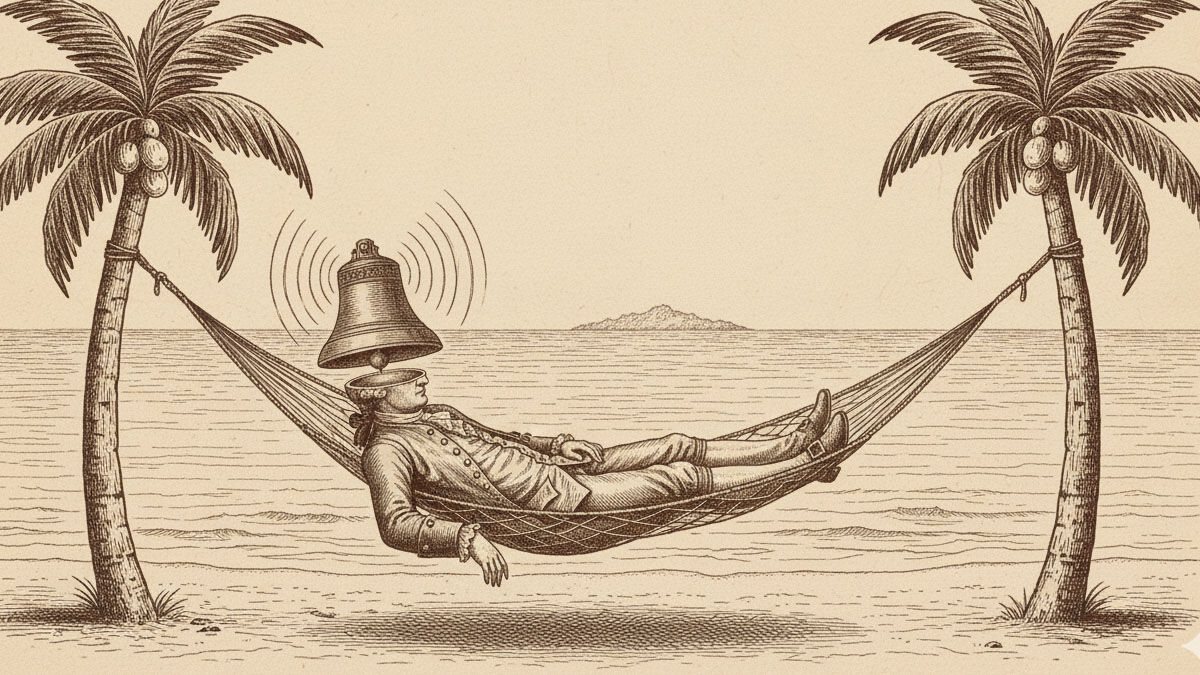
Engraving of a man pushing a wheel uphill. Metaphor for the absence of a neutral energy state: you are either gaining or losing.

Energy Gain Mode and Energy Loss Mode are two fundamental states of the human psychophysical system. Our life force has no "neutral gear." At every moment, you are either in Energy Gain Mode — generating energy through interest, joy, calm, and other positive states — or in Energy Loss Mode — burning through your reserves via anxiety, irritation, boredom, and other negative states. Most people mistakenly treat the slow (low-intensity) phase of Energy Loss Mode as their "normal state."

The Myth of the "Normal State"

Many people think: "Nothing hurts and I'm not upset, so I must be fine."

From an engineering standpoint, this is a mistake. If you feel no active joy or genuine interest, your system is running idle — with friction. This is called "Gray Drain."

  • Think of a phone with the screen on, just sitting on a table. It's doing nothing, yet the battery is draining.

The same thing happens to you when you feel "just okay." You are not recharging. You are slowly running down.

How Energy Gain Mode and Energy Loss Mode Work in the Nervous System

Engraving of cracked hourglass. Metaphor for the invisible energy drain caused by low-grade background anxiety.

Think of your body as a battery — or a bank account.
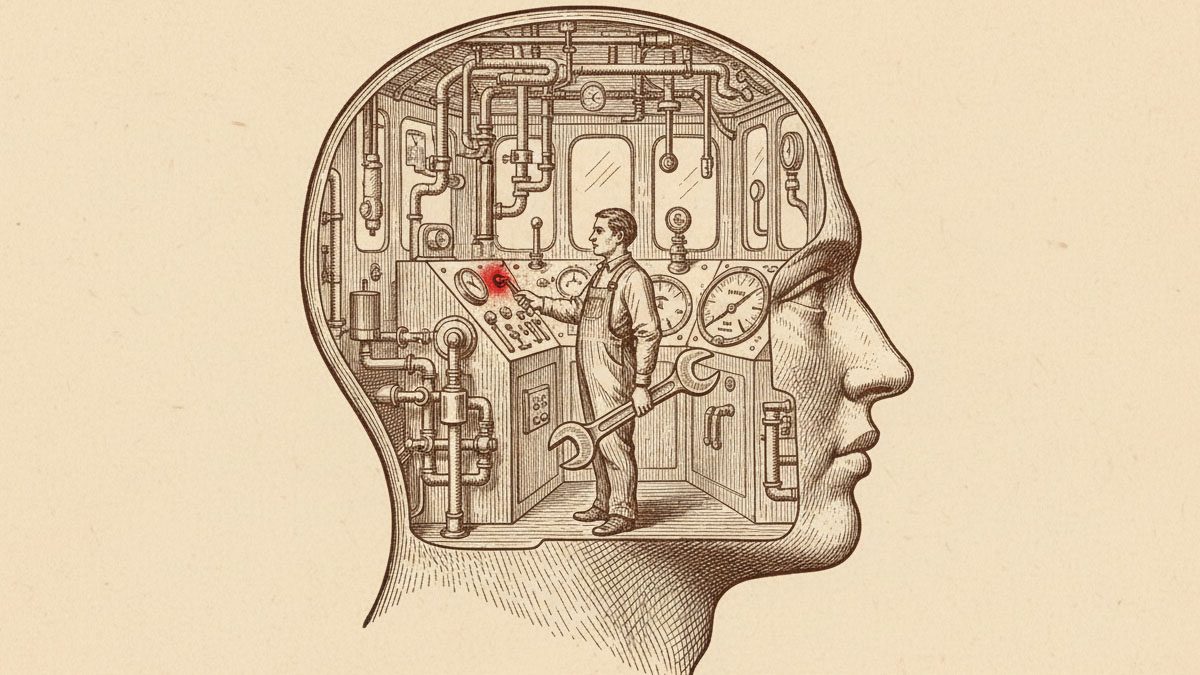
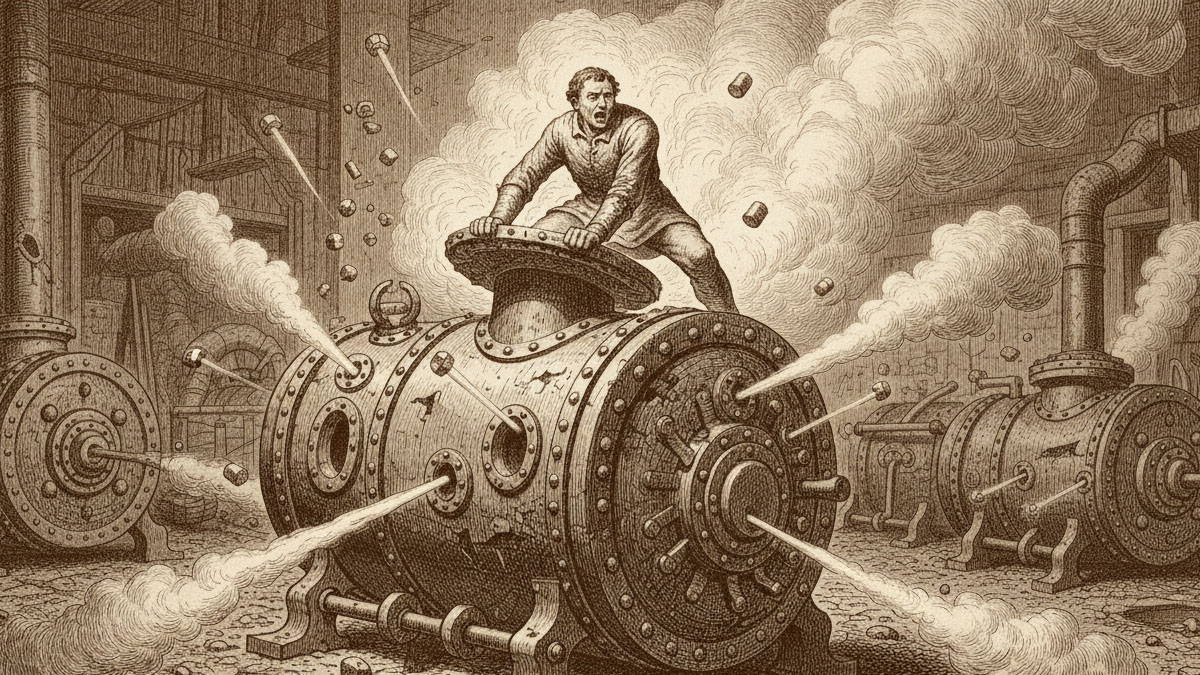
Physiologically, any negative emotion (even low-level Background Anxiety) is interpreted by the brain as a danger signal. The body responds by triggering an "emergency protocol": muscles tense, stress hormones burn through glucose reserves, and immune function is suppressed. This is Energy Loss Mode. It runs even when you are simply lying on the couch replaying unpleasant thoughts.

Energy Gain Mode only activates in the presence of an active positive signal — genuine interest, anticipation, gratitude, a sense of beauty, and so on. In this state, the system shifts into a recovery and regeneration phase, effectively recharging the "battery."

The core engineering mistake of modern life is treating the absence of acute pain as a "normal" state. In reality, that familiar sense of dull grayness is a slow but constant drain on your energy supply.

Energy Gain Mode vs Energy Loss Mode:
Key Differences and Examples

Table: Energy Loss Mode vs. Energy Gain Mode

Parameter
🔴 Energy Loss Mode (Drain)
🟢 Energy Gain Mode (Charge)

Physical sensations

Heaviness in the shoulders, clenched jaw, shallow breathing

Lightness, warmth in the chest, relaxed belly

Thoughts

"I have to," "I must," "I'm afraid I won't make it," ruminating on the past

"I want to," "That's interesting," "How beautiful," looking forward to the future

Perception of time

Drags on endlessly (boredom) or never feels like enough (frantic busyness)

Flows effortlessly — you lose track of time (flow state)

Effect of rest

"I lay around all day and feel even more exhausted."

"I took an hour-long walk and feel completely refreshed."

How to Tell You’re in Energy Loss Mode:
Common Signs and Gray Drain

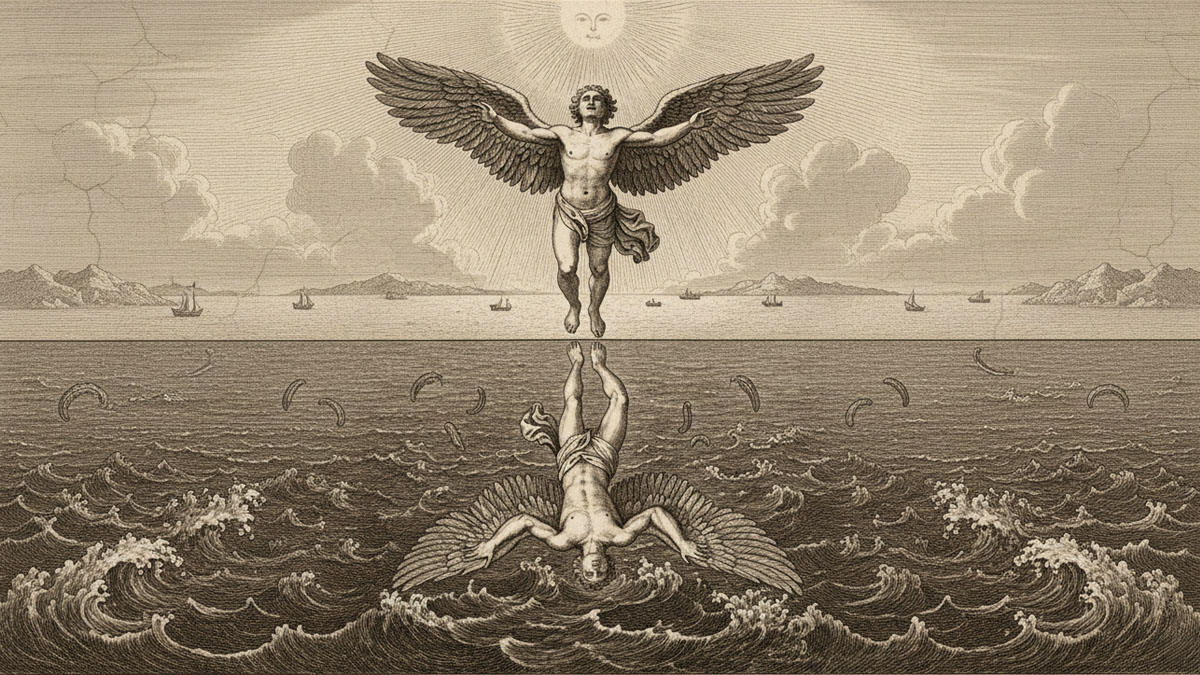
Comparison of a leaking jug and a full jug. Metaphor for energy loss mode versus energy gain mode.

To identify which mode you are currently in, simply ask yourself: "Am I filling up right now, or am I emptying out?"

Signs of Energy Loss Mode:

You wake up already tired (to understand why, read Why You Wake Up Exhausted). By midday your energy is nearly gone. There is a persistent background feeling of "same old routine," boredom, or low-grade tension. Your thoughts keep circling back to problems.

Signs of Energy Gain Mode:

You feel physically light. Your mind is clear. You have the desire to act. You feel energized by what you are doing — even when it requires physical effort.

How to Shift from Energy Loss to Energy Gain Mode:
Practical Steps

You cannot simply "stop losing" energy without making any changes. A conscious flip of the switch is required.

  1. Diagnosis:
    Acknowledge that feeling "just okay" is actually a net negative.
  2. Action:
    Deliberately shift your system into Energy Gain Mode by using "Joy Anchors" (discover how to build your own personal mood remote control) or by practicing the removal of negative background noise. The goal is to generate an inner feeling — a signal — that shifts your brain's biochemistry from spending to recharging.

This concept is a foundational element of Course 1: "Freedom from Suffering." Learn how to run a self-assessment and master the ability to switch between these modes in the free introductory lesson: