Morning Anxiety Symptoms:
Causes, Cortisol, and Fast Relief

Author: Alex Guru | Reading time: 6 minutes

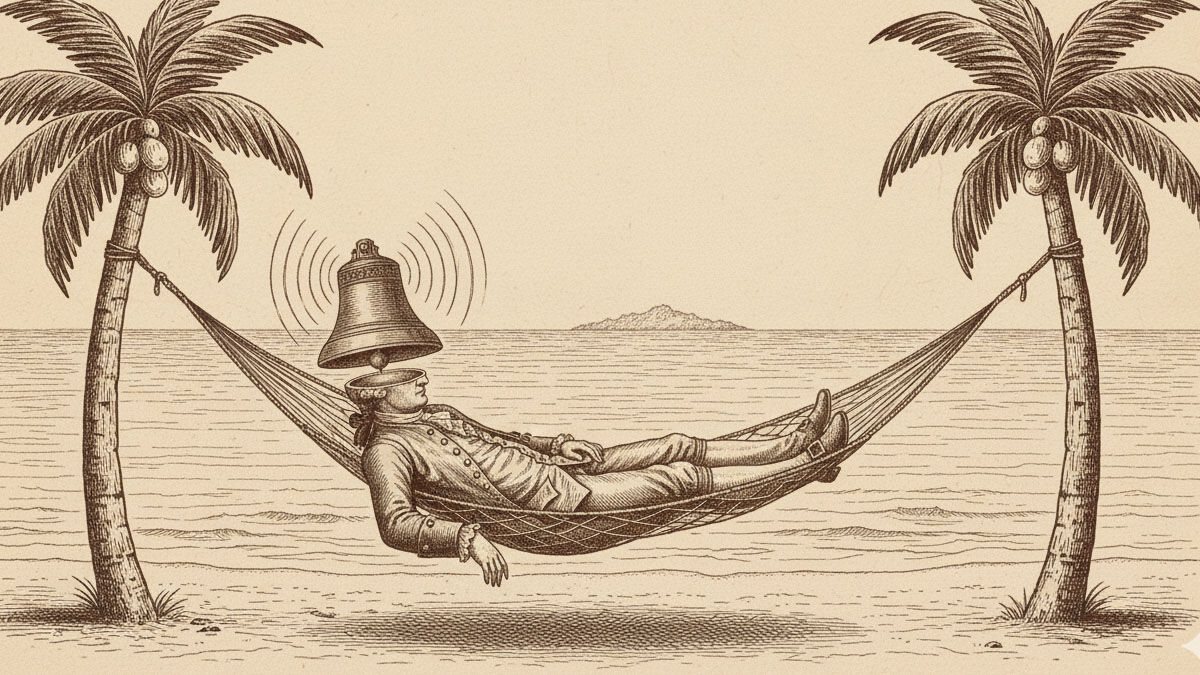
Engraving of a person waking under a heavy burden — a metaphor for morning fatigue and anxiety

You open your eyes, and instead of feeling refreshed, a heavy wave of dread washes over you. Your heart is racing, your stomach drops, your hands tremble. Within seconds, dark thoughts flood in: 'I'll never get everything done,' 'Something bad is going to happen,' 'I have nothing left in me.'

Doctors call this the 'cortisol awakening response' — you might call it your personal version of hell. You feel as though you spent the night doing hard labour, even though you slept for eight hours. Waking up in a low mood has become your new normal, and every day starts deep in the red.

Why does this happen? Why does a body that was supposed to rest behave as though it just narrowly escaped a predator? In this article, we break down the mechanics of morning anxiety and chronic fatigue.

What Is Morning Anxiety Meaning and Why It Happens

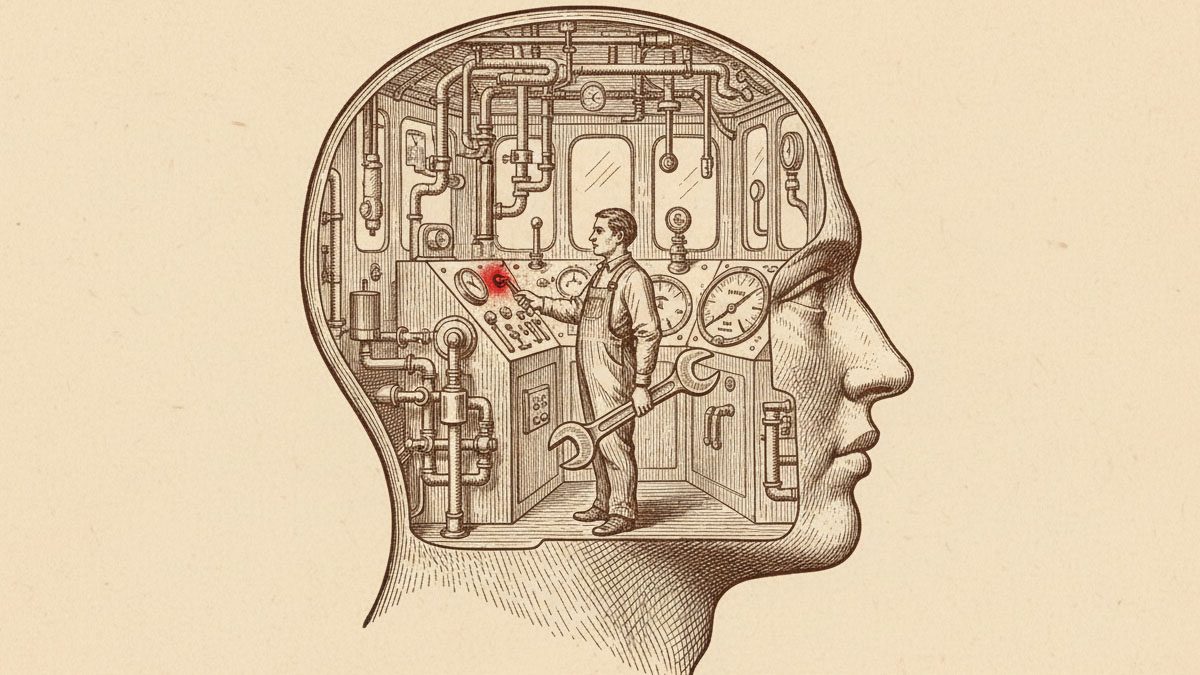
Morning anxiety is a state in which a person wakes feeling restless, physically tense, and drained — despite having slept for a reasonable amount of time. From the perspective of consciousness mechanics, it is a symptom of critical depletion caused by persistent 'negative background noise'. (To learn more about what this 'noise' is and how it accumulates, read our article Background Anxiety: Why You Can Never Truly Relax.) It is a signal that your 'inner battery' failed to recharge overnight — because energy kept draining away to sustain your body's emergency mode, even while you slept.

The 'cortisol morning' is what scientists call the Cortisol Awakening Response (CAR).

Why does anxiety hit hardest in the morning?

It is a biological mechanism. In the 30 minutes before you wake, your brain floods your bloodstream with cortisol — your body's natural stimulant, designed to help you open your eyes and get moving.

  • Under normal conditions:
    Cortisol rises by around 50%. You feel alert and ready.
  • When things go wrong:
    If you are living with chronic stress, your baseline cortisol is already elevated. The morning surge becomes an overdose.

The result: Instead of feeling energised, you experience a racing heart and a wave of panic. You haven't lost your mind — you've simply received a double shot of a powerful stimulant before you've even sat up in bed.

Morning Anxiety Quiz:
Is It Stress, Hormones, or a Health Issue

Morning anxiety is often driven by physical causes — alcohol, blood sugar fluctuations, or sleep apnoea. Use this table to rule out the most common physical triggers first.

Table: 'Physiology vs. Psychology'

Cause of Anxiety
How It Works
How to Check

Alcohol the night before

The rebound effect: as alcohol leaves your system, the brain becomes over-stimulated.

Did you have a drink within 4 hours of going to bed?

Hypoglycaemia (low blood sugar)

A drop in blood sugar during the night triggers an adrenaline surge to wake you up.

Do you wake up hungry or in a cold sweat?

Sleep apnoea (snoring)

Breathing stops → oxygen drops → a panic-driven adrenaline spike jolts you awake.

Do you snore? Do you wake with a headache?

Negative background noise

Accumulated stress from the day before that the brain never fully processed ('uncleared RAM').

No physical causes present, but a persistent sense of dread about the day ahead.

Cortisol Awakening Response Explained:
The Science Behind Morning Panic

Engraving of a sleeping figure whose shadow battles monsters — a metaphor for energy consumed fighting stress during sleep

To understand why mornings feel so brutal, you need to stop thinking of sleep as simply pressing 'Off'. Sleep is a recharging process — but recharging is impossible if the device keeps running at full power.

According to the 'Consciousness Workshop' framework, the mechanics of morning exhaustion work like this:

  1. Background processes:
    Throughout the day, you absorb hundreds of micro-stresses (negative background noise). Rather than releasing them, you suppress them. This is a critical mistake — because suppressing emotions demands enormous energy, as your mind constantly works to keep the lid on a pressure cooker.
  2. Emergency mode, around the clock:
    Your brain interprets this background noise as a constant threat and keeps your body on high alert. Even while you sleep, your subconscious continues 'fighting fires' — processing unresolved fears and worries.
  3. Energy deficit:
    This is an incredibly costly process. Imagine plugging your phone in to charge, then running a graphics-heavy game on full brightness at the same time. By morning, the phone won't be charged — it may actually be more drained than when you started.

This is precisely why morning anxiety strikes. It is not a new emotion — it is a 'hangover' from yesterday's undigested stress. Your nervous system is exhausted from a battle that never paused for a single moment.

What Science Says:

'Sleep is our overnight emotional first aid. During REM sleep, the brain strips the raw emotional charge from our memories. When sleep is disrupted or cut short, this process remains incomplete — and you wake up still carrying the full emotional weight of the day before.'

Matthew Walker, Professor of Neuroscience and Psychology, author of the bestseller 'Why We Sleep'.

Common Morning Anxiety Symptoms and Red Flags to Notice

Scenario 1: 'I woke up already exhausted'

The alarm goes off. You slept long enough by the clock, but your body feels like lead. You have no desire to get up.

What's happening:
Your energy balance is broken. You are spending more energy fighting internal negativity than sleep is restoring. You wake up already overdrawn. If this becomes a pattern, it is a clear sign you are sliding into full burnout. Read our in-depth breakdown: Emotional Burnout and Chronic Fatigue: How to Reclaim Your Energy.

Engraving of a sleeping figure whose shadow battles monsters — a metaphor for energy consumed fighting stress during sleep

Scenario 2: 'Morning panic'

The moment you open your eyes, a sharp stab of fear about the day ahead hits you. Your heart rate spikes immediately.

What's happening:
Your threat-detection system (the amygdala) never calmed down overnight. Stress hormone levels are still through the roof. You wake up in full fight-or-flight mode — even though there is nothing remotely dangerous in your bedroom.

The Key Rule:
The 'Digital Airlock'

Reaching for your phone first thing in the morning is the leading cause of morning anxiety in the modern world.

The worst thing you can do when cortisol is already elevated is to pick up your phone.

  • News and work messages = additional stress loaded directly into an already overwhelmed system.
  • Social media = a cheap dopamine hit that further depletes a system running on empty.

The rule:
For the first 30 minutes after waking, keep your phone on aeroplane mode. Give your system the chance to boot up before exposing it to external threats.

How to Stop Morning Anxiety:
Proven Coping Strategies and Habits

Engraving of a sleeping figure whose shadow battles monsters — a metaphor for energy consumed fighting stress during sleep

Trying to fight morning anxiety in the morning itself is already too late. The battery is empty. To fix the problem at its root, you need to change what happens before bed and throughout the day.

  1. Acknowledge the real problem.
    Stop blaming the weather, your mattress, or your age. Say it plainly: 'I woke up exhausted because my mind is overwhelmed by accumulated stress.'
  2. Find the leak.
    Stop treating the symptom (drinking endless coffee). Start looking for the cause.
  3. Keep an Emotional Compensation Journal.
    Start tracking the connection: what emotion were you suppressing yesterday? Anxiety about money? Resentment towards a partner? These 'unresolved background programmes' are what drained your overnight charge.

The First 15-Minute Protocol:
How to Burn Off Excess Cortisol

The Recovery Protocol — a step-by-step algorithm for the first 15 minutes after waking.

If you wake up feeling anxious, lying still and thinking is the worst thing you can do. Cortisol demands physical action.

  1. Bright light (immediately):
    Open the curtains or switch on a bright lamp. Light hitting the retina signals the brain: 'Day has begun — stop melatonin production and begin stabilising cortisol.'
  2. Hydration:
    Drink a full glass of water. A dehydrated brain is an anxious brain.
  3. Movement (burn it off):
    Do 10 squats or a round of vigorous stretching. Your muscles need to 'consume' the excess glucose and adrenaline that have been released into your bloodstream.
  4. Cold water:
    Splash ice-cold water on your face (this activates the vagus nerve and triggers a calming response).
  • 'If you fell asleep with Mental Rumination spinning in your head, your brain never entered deep sleep.'
  • 'To stop waking up anxious, you need to practice Emotional Polishing each evening — clearing the cache before you switch off for the night.'
  • 'Morning exhaustion means your Energy Budget went into deficit the day before.'

What to Do When You Wake Up Anxious:
A 5-Minute Reset Plan

Morning anxiety, insomnia, and chronic fatigue are all links in the same chain. They are your body's way of telling you that you are running on a path of self-depletion.

In the free Lesson 'Overeating, Insomnia, Fatigue: The Hidden Symptoms of Your Negativity' we cover in detail:

  • How your emotions directly affect the quality of your sleep.
  • Why we eat when we're not hungry — and lie awake when we're exhausted.
  • The 'Emotional Compensation Journal' practice, designed to help you find the root of the problem.

Stop starting every day already in the red. Learn how to recharge your battery to 100%.