Energy-Giving vs Energy-Draining Desires Meaning Explained

Motivation comparison: Energy-Draining Desire as a heavy burden (Should) vs. Energy-Giving Desire as a lifting force (Want)

Energy-Giving Desires and Energy-Draining Desires — this is a systems-based classification of human motivations, grounded in the energy economics of action. In this framework, any goal or aspiration is evaluated not by its social value («useful/prestigious»), but by its actual impact on your nervous system's resources.

An "Energy-Giver" is a true desire — one that generates energy and drive the moment you think about it (It fuels motivation).

An "Energy-Drainer" is an imposed desire (social obligation, fear, someone else's agenda) — fulfilling it requires suppressing your authentic self and leads to exhaustion (It triggers procrastination and resistance).

How Energy-Giving vs Energy-Draining Desires Work in the Brain

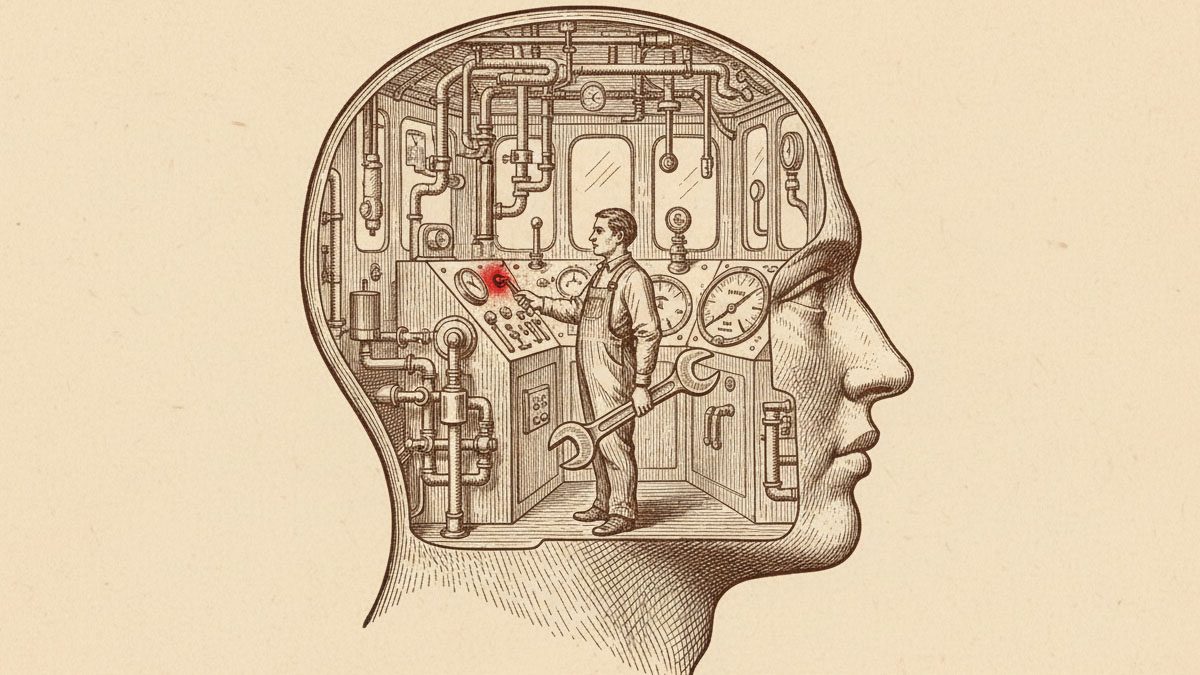
Your brain is a biochemical engine — it runs either on fuel (dopamine, genuine interest) or on wear and tear (cortisol, willpower forced against resistance).

1. How Energy-Givers Work
(True Desires):

Engraving of a perpetual motion machine generating light — a metaphor for true desires that create their own energy.

When a goal resonates with your core self, the brain releases energy in advance. You experience a sense of eager anticipation — before you've even started, you already feel a surge of aliveness. As you work toward the goal, energy doesn't deplete; it circulates and multiplies. This is the generator mode.

2. How Energy-Drainers Work
(Imposed Desires):

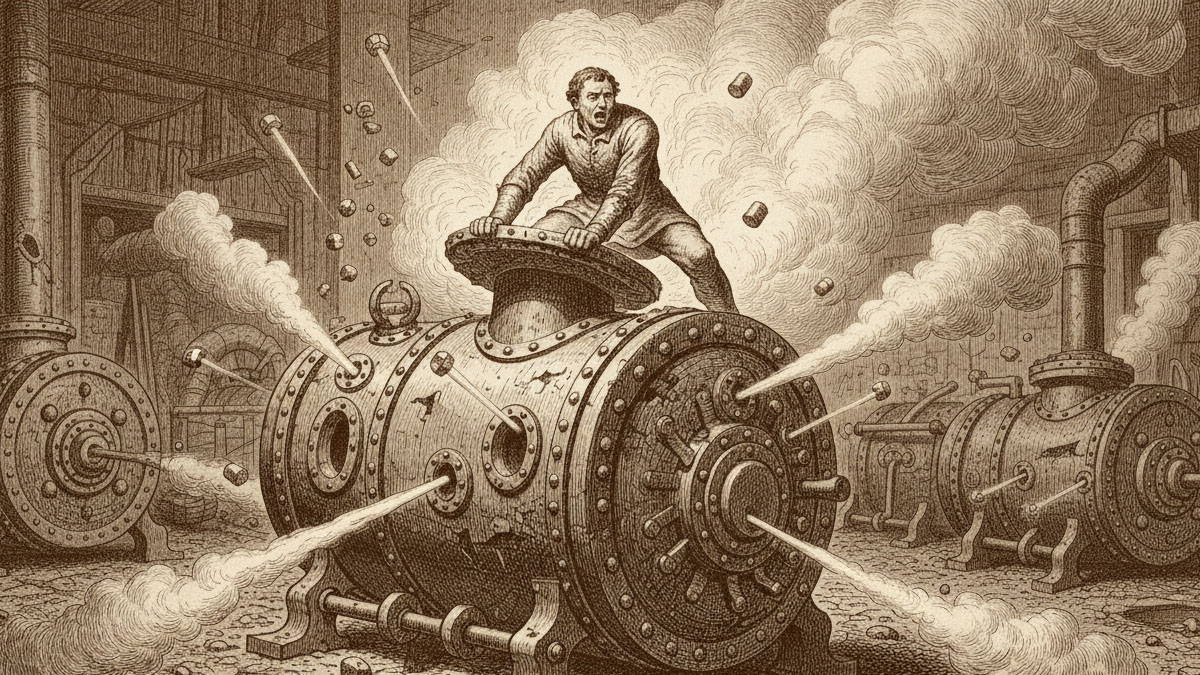
Engraving of a short circuit with sparks and smoke — a metaphor for energy lost to internal resistance.

These are goals dictated by the words «Should» or «Have to». Your subconscious finds no genuine value in them and activates resistance. (This is precisely where what we call Procrastination is born — a protective block on action.) To push through anyway, you burn enormous resources just to overcome that internal friction. This is short-circuit mode: energy is consumed fighting yourself, with little left for actual results.

How to Tell a True Want from a Should:
Signs, Tests, Examples

The primary diagnostic tool is the Anticipation Test. Your rational mind can lie («this is good for my career»), but your body never does.

Signs of an Energy-Giving Desire:

  • Thinking about it sparks a light, genuine excitement. It's from these «Energy-Givers» that your Life's Purpose is built (read the full guide on finding your path).
  • You're ready to start right now — you don't need to «get motivated» first.
  • Even when the work is hard, the tiredness afterward feels satisfying.

Signs of an Energy-Draining Desire:

  • Thinking about it brings a sense of heaviness, boredom, or tightness in the chest.
  • Procrastination kicks in — you find countless reasons to delay starting.
  • If the task gets canceled, you feel relief rather than disappointment.
  • Your motivation is built on fear («something bad will happen if I don't») or the need to prove yourself («I'll show them»).

Energy Check Table:
Does This Goal Energize You or Exhaust You

Parameter
🔋 Energy-Giver (Gain)
🧛‍♂️ Energy-Drainer (Loss)

Key Language

«I want», «I'm curious», «What if I tried?»

«I should», «I must», «I have to», «I can't say no»

Body Response

Openness in the chest, goosebumps, leaning forward

Heavy shoulders, yawning, wanting to lie down

Reaction to Obstacles

Excitement («Oh, a challenge!»)

Irritation («Why is this happening to me?»)

Outcome

Physically tired, but deeply satisfied

Emotionally drained, with a lingering sense of emptiness

If the Task Is Canceled

Disappointment («Damn, that's a shame»)

Relief («Thank goodness — dodged that one!»)

Why Procrastination Isn’t Laziness:
A Nervous System View of Resistance

We tend to treat procrastination as a flaw — but in reality, laziness is your ally.

We're conditioned to shame ourselves for being lazy. But from an engineering-of-the-mind perspective, laziness is a perfectly designed built-in sensor.

  • Procrastination is not a character defect. It's your system's emergency signal: «Warning! Energy-Drainer detected!».
  • Your subconscious is smarter than your willpower. It has already calculated that the energy cost of this action outweighs the reward — and cut off the fuel supply accordingly.

The takeaway:
Stop fighting procrastination. Use it as a diagnostic signal to identify and neutralize false goals.

  • «Constantly serving Energy-Drainers keeps you locked in a chronic Energy-Loss Mode».
  • «It is precisely the dominance of Energy-Drainers (over 70%) that leads to Emotional Burnout».
  • «Every time you force yourself to act on an Energy-Drainer, you are committing an Attack on Yourself».

How to Shift from Draining Shoulds to Energizing Wants (Step-by-Step)

Engraving of an accountant sorting stones — a metaphor for auditing your goals and labeling each desire.

A life filled with Energy-Drainers leads to Emotional Burnout. Your battery runs down because output exceeds input. To restore your energy, you need to conduct a personal goals audit:

  1. Label everything:
    Go through your task list and honestly mark each item as «+» (energizing) or «−» (draining).
  2. Eliminate:
    Drop the Energy-Draining tasks that aren't truly essential.
  3. Reframe the fuel:
    If a task is unavoidable (like a work report), find an angle within it that can become an Energy-Giver — make it beautiful, race against the clock, automate the process — or delegate it entirely.

What About "Non-Negotiable" Energy-Drainers?

What if my job is an Energy-Drainer, but I need to support my family — does that mean I should just quit?

We can't eliminate everything (taxes, chores, early mornings). But we can apply an engineering trick: «Transformation».

If a task can't be removed, change the motivation behind it. Find the hidden Energy-Giver inside the Energy-Drainer.

  • A tedious report:
    Turn it into a game — «Beat my personal record» (Excitement).
  • Household chores:
    Put on an audiobook (Interest) or frame it as a workout (Health).
  • A difficult conversation:
    Treat it as practice for your negotiation skills (Growth).

The moment you shift from «I have to» to «This serves me / This is interesting», the polarity flips. The Energy-Drainer becomes an Energy-Giver.

This is a foundational skill for designing your own life strategy — explored in depth in Course 2: «The Path to Yourself». Learn how to apply the Anticipation Test and stop spending your life chasing other people's goals — start with the free lesson: