Anhedonia Explained:
How to Feel Pleasure Again in Life

Author: Alex Guru | Reading time: 6 minutes

Engraving of a person trapped under a glass dome — a metaphor for anhedonia and emotional isolation from life's joy.

You're not in pain. You're not afraid. You're just… numb.
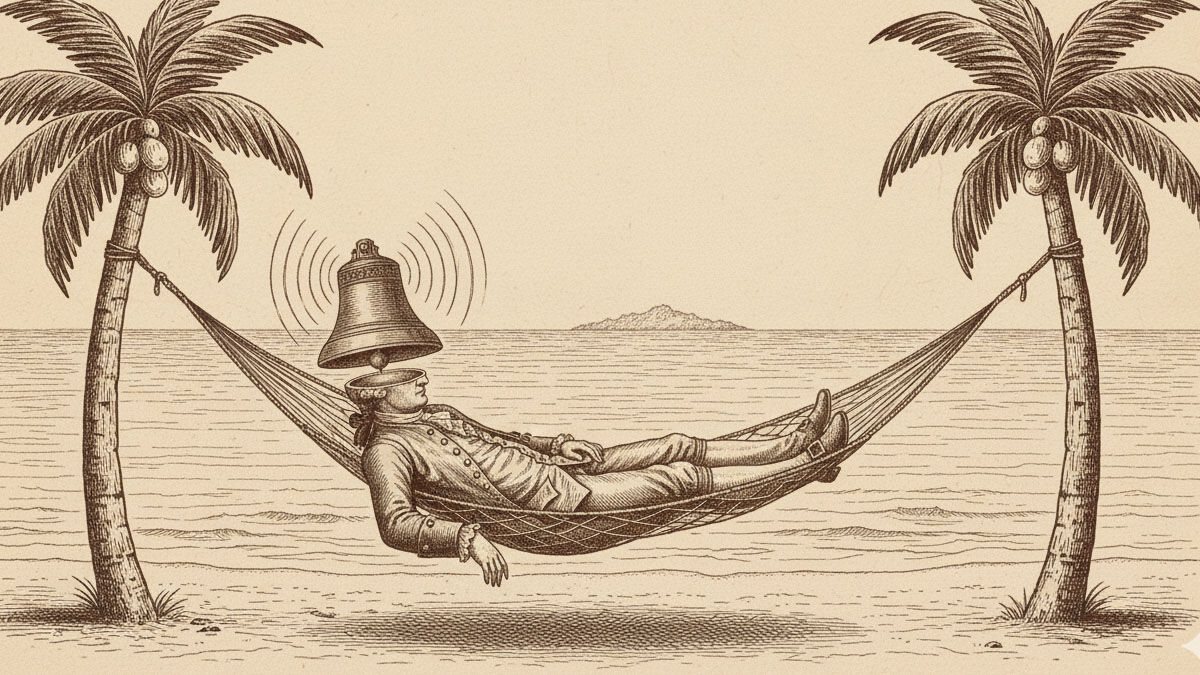
You wake up, go to work, eat your meals — but food has lost its flavour, music sounds flat, and meeting friends feels like a chore you have to tick off a list. You remember enjoying things once. But now, that capacity seems to have simply switched off.

Psychologists call this anhedonia. You experience it as a loss of joy in everyday life. You try to shake yourself out of it, to want something — anything — but you keep running into a wall of soft, padded indifference. The phrase 'nothing makes me happy anymore' becomes your daily refrain.

People often say: 'You're depressed — see a therapist,' or 'You're just bored.' But from a practical, mechanical perspective, the problem isn't an absence of emotion. The problem is 'noise pollution' of the mind. In this article, we'll explore the mechanics behind this emotional 'greyness' — and how to cut through it to reach real, living feeling.

🛡 Safety First:
When Numbness Needs a Doctor or Therapist

Psychosomatics is a real phenomenon, but it is always a diagnosis of exclusion. The symptoms described in this article (pain, tension, a lump in the throat) can also be signs of organic medical conditions.

Important rule:
Before applying any self-regulation techniques, please see a doctor for a full check-up. If your physician confirms there is no physical cause and attributes your symptoms to stress or anxiety — then this article is for you. Do not attempt self-treatment for acute physical pain.

🛡 Notice: Intensive Inner Work Ahead

The techniques described here — such as disidentification, inner dialogue suspension, and working with inner emptiness — are powerful tools that significantly affect the mind and psyche.

Contraindications:
Clinical depression, mental health disorders (schizophrenia, bipolar disorder, psychosis), and the use of strong psychiatric medication. If you are under the care of a psychiatrist, only practise these techniques with their explicit approval.

If you experience intense anxiety or feel destabilised during practice — stop immediately and use a grounding technique.

What Is Anhedonia? Meaning, Symptoms, and Emotional Numbness

The 'grey state' (or emotional flatness) is not a vacuum, and it is not the absence of emotion. It is an illusion of emptiness — created by a negative emotional background of very low intensity. Think of it as 'white noise' — dozens of barely noticeable, low-level negative states (micro-anxieties, mild irritations) that have merged into one continuous hum, blocking your ability to feel joy. (To learn more about what this 'noise' is and where it comes from, read our article in the Stress Management section: Background Anxiety: Why You Can't Seem to Relax.)

Why Has the World Gone Grey?

You haven't 'broken' as a person — your filters are simply clogged.

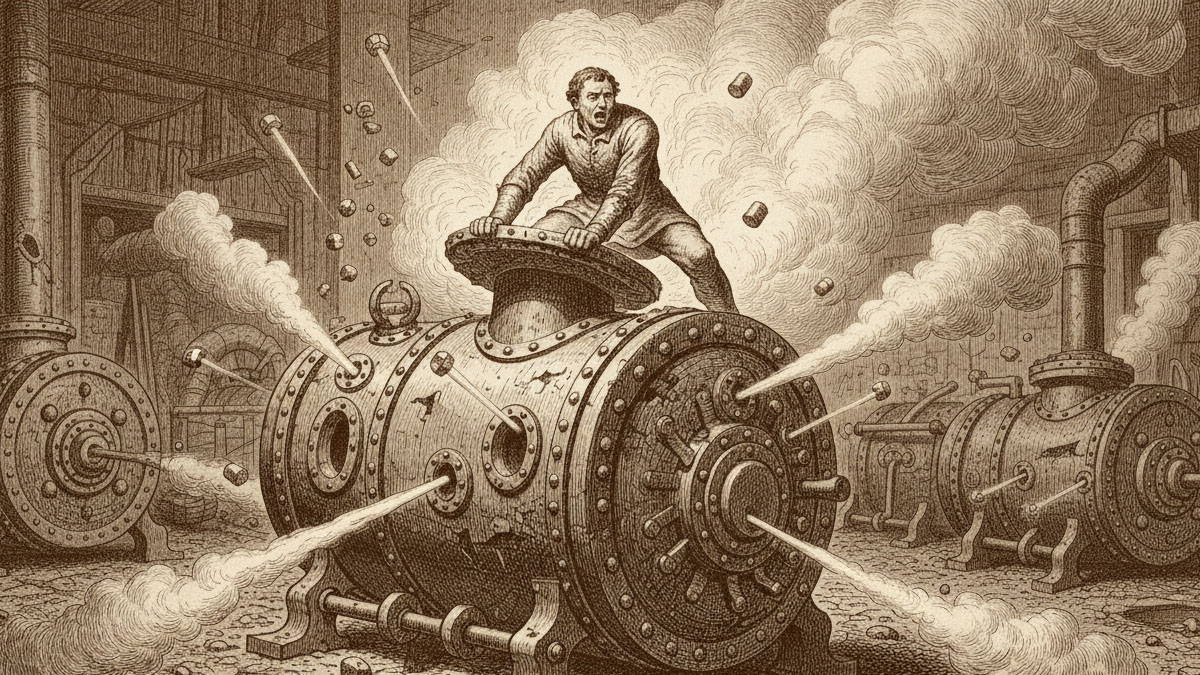
This is one of the brain's key protective mechanisms. If you've spent a long time chasing cheap dopamine hits (social media, sugar, binge-watching) or living under chronic stress, your brain decided the signal was simply too loud.

What it did:
It reduced the number of dopamine receptors (specifically D2 receptors).

The result:
Ordinary pleasures — a walk in the park, a good meal — can no longer 'reach' the remaining receptors. You haven't forgotten how to feel joy. The volume has just been turned all the way down.

Why Anhedonia Happens:
The “Humming Room” and Emotional Flatness

Why Do You Feel Empty When Emotions Are Still There?

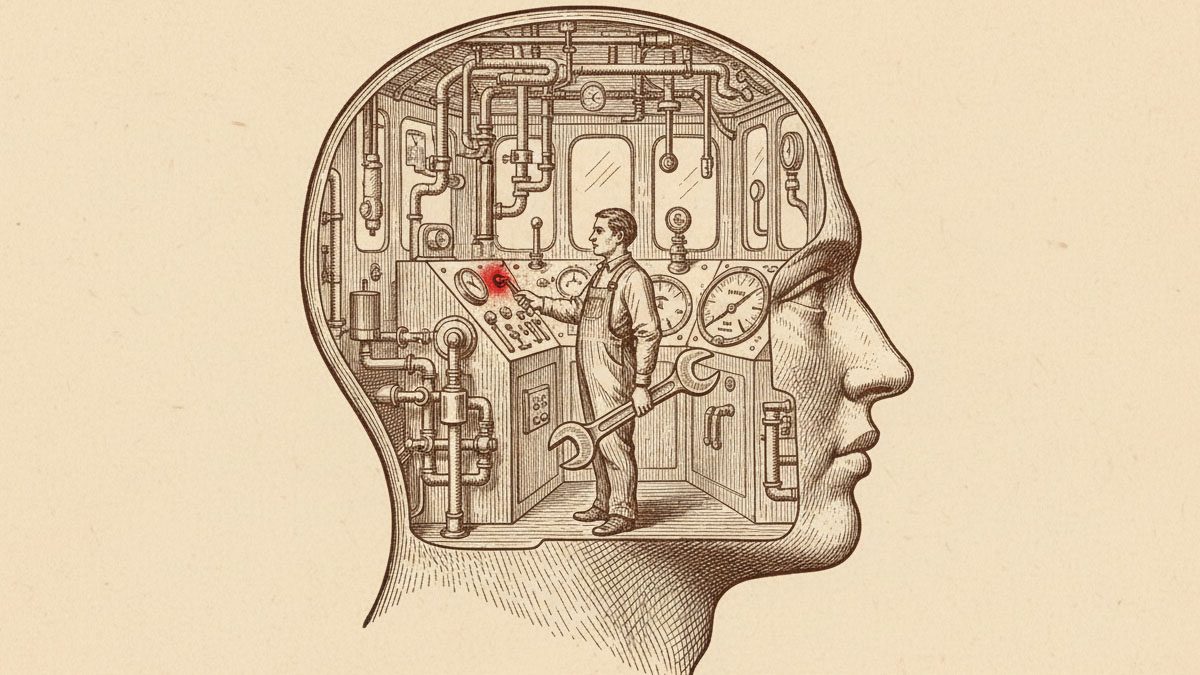
Imagine your mind is a room. In it, dozens of appliances are running quietly all at once: the fridge hums, the clock ticks, the computer fan whirs.
Each sound on its own is barely noticeable. But together, they create a thick, heavy drone that fills the entire space.

Engraving of a room filled with humming mechanical devices — a metaphor for the 'white noise' of the conscious mind.

That drone is made up of your 'micro-appliances' — small, low-level negative emotions:

  • A mild irritation at the grey weather outside.
  • A faint worry about tomorrow.
  • The lingering echo of an uncomfortable conversation yesterday.
  • A habitual, background sense of self-criticism.

This noise weighs on you and drains your energy. But most importantly — it builds a wall. Positive emotions like joy and curiosity simply cannot break through that density. You can't hear the music of life over the hum of your own internal fridge.

The greyness of everyday life is not a property of reality. It is the result of your inner 'noise' drowning everything else out.

Anhedonia Self-Test:
How Severe Is Your Loss of Pleasure?

Many people fear they might be depressed. Let's take a closer look with a simple self-diagnostic.

Table: 'Boredom vs Anhedonia vs Depression'

Symptom
🥱 Boredom / Fatigue
😶 Anhedonia (Emotional Greyness)
🌑 Clinical Depression

Response to hobbies

'I'm bored of the old things — I want something new.'

'I don't want anything. It all feels pointless.'

'I don't deserve to feel good' / 'I can't even get out of bed.'

Physical symptoms

Sleep and appetite are normal.

Food tastes like cardboard; libido is absent.

Early waking, significant weight loss or emotional overeating.

Emotional experience

Irritability, craving for novelty.

Indifference — like watching life through a glass wall.

Deep sadness, pain, guilt, suicidal thoughts.

What helps

Rest and a change of activity.

Dopamine detox and working with attention.

Psychotherapy and medication.

Check Yourself:
The SHAPS Scale

Psychiatrists use the Snaith–Hamilton Pleasure Scale (SHAPS) to measure levels of emotional flatness.

Ask yourself: 'Would I be able to enjoy my favourite meal or TV show the way I used to?'

  • If your answer is 'Definitely yes' — you're dealing with tiredness or boredom.
  • If it's 'Definitely not' — this is anhedonia. You need an 'engineering reset' of your dopamine receptors.

Anhedonia in Daily Life:
Real Examples of the “White Noise” Feeling

Situation 1:
'I Don't Want Anything'

You're sitting on the sofa. You have free time — you could read, go for a walk, watch a film. But instead, you just scroll through your feed.

The mechanics:
Your mind is paralysed by micro-fears ('What if the film is boring?', 'It's cold outside') and micro-guilt ('I really should be doing something useful'). This noise drowns out the impulse to actually want something.

Situation 2:
Performing Happiness

Engraving of a person wearing a smiling mask at a party — a metaphor for performing happiness while feeling hollow inside.

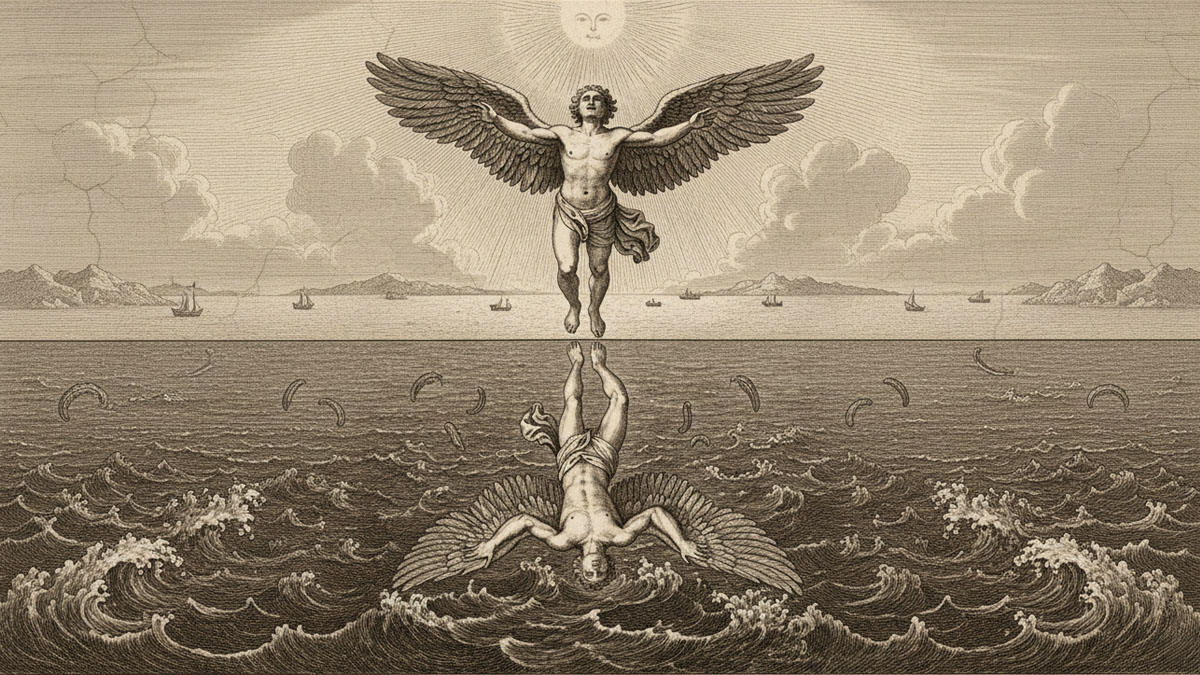
You're at a party. Everyone's laughing. You smile along, but inside you feel like an observer watching through a window.

The mechanics:
Your 'negative background noise' is so dense that external stimuli — music, laughter — simply bounce off the surface without ever reaching you.

How to Treat Anhedonia Naturally:
Practical Steps That Help

Clearing the Signal
(Dopamine Detox)

Practice: 'Dopamine Detox' — A diet for your brain. Without reducing the noise, sensitivity will never return.

To hear the quiet whisper of joy, you need to turn off the loudspeakers.

24-Hour Protocol:

  1. Cut out hyper-stimulants: Social media, video games, pornography, junk food (sugar/fat).
  2. Boredom is medicine: Allow yourself to be bored. It is precisely at the peak of boredom that the brain begins desperately searching for stimulation — and restores its sensitivity to simple things (like the pattern on the wallpaper).

The “Ghost Hunt” Method:
Finding Hidden Stress Behind Emotional Numbness

When you search for answers on how to overcome anhedonia, you are often told to 'think positive'. That advice is useless. You cannot hang fresh wallpaper over a buzzing transformer. You have to switch it off first.

Our method for breaking free from emotional numbness is called the 'Ghost Hunt'.

1. Accept that emptiness is never truly empty.

Tell yourself: 'If I feel no joy, then somewhere there is hidden negativity. I just can't hear it yet.'

2. Find the 'first loose thread'.

Engraving of a person finding a thread in a labyrinth — a metaphor for uncovering micro-desires to escape apathy and anhedonia

In a state of apathy, it can feel as though you have no desires at all. But there are faint, seemingly 'trivial' micro-desires: 'I'd like some tea', 'I want to stroke the cat', 'I'd like to look out the window'.

Grab onto them! They are the only crack in the wall. Act on that micro-desire immediately.

Behavioral Activation Therapy for Anhedonia:
The Science of Rebuilding Joy

The gold standard for treating apathy in cognitive behavioural therapy.

  • We are conditioned to wait: 'First the desire will come, then I'll act.'
  • With anhedonia, that system is broken. The desire will not come on its own.

The engineering rule: 'Action first, appetite follows.'

Start doing something pleasurable — even mechanically, without any real enthusiasm — for just 5 minutes. Often, the neurotransmitters begin to 'catch up' as you go.

3. Start switching off the appliances.

Engraving of a person with a lantern dispelling ghosts — a metaphor for identifying and resolving hidden anxiety and emotional numbness

The moment even a small spark of energy returns, turn your attention inward. Identify one specific micro-thought that is troubling or irritating you, and apply the Elimination technique to it.

Once you switch off that first 'fridge', the hum will grow quieter — and you will begin to hear yourself again.

If you feel ready not just to lift the 'grey fog', but to learn how to experience genuine, vivid pleasure in everyday things, we also recommend reading The Art of Enjoyment: How to Rediscover Your Zest for Life.

  • 'As your sensitivity begins to return, use the savouring techniques from the article The Art of Enjoyment to consolidate your progress.'
  • 'Anhedonia is often the final stage of Emotional Burnout, when the body shuts down feelings to conserve energy.'
  • 'Emotional numbness is a direct consequence of disconnection from the body. Read how to restore that mind-body connection in the article 'Living in My Head'.'

What to Do Right Now:
A Simple First Plan to Start Feeling Again

Pulling yourself out of the swamp of apathy is harder than cooling a flash of anger, because the enemy is invisible. But it is absolutely possible.

In the paid Lesson 'Ghost Hunt: How to Break Free from Emotional Numbness and 'Not Wanting Anything'', we explore:

  • How to systematically identify and neutralise your personal 'stress appliances', step by step.
  • Why trying to force yourself to feel happy only makes things worse.
  • The 'First Loose Thread' practice for jump-starting your desires in an emergency.

Bring the colour back to your world.