Low Libido Under Stress:
How to Restore Sexual Energy and Vitality

Author: Alex Guru | Reading time: 7 minutes

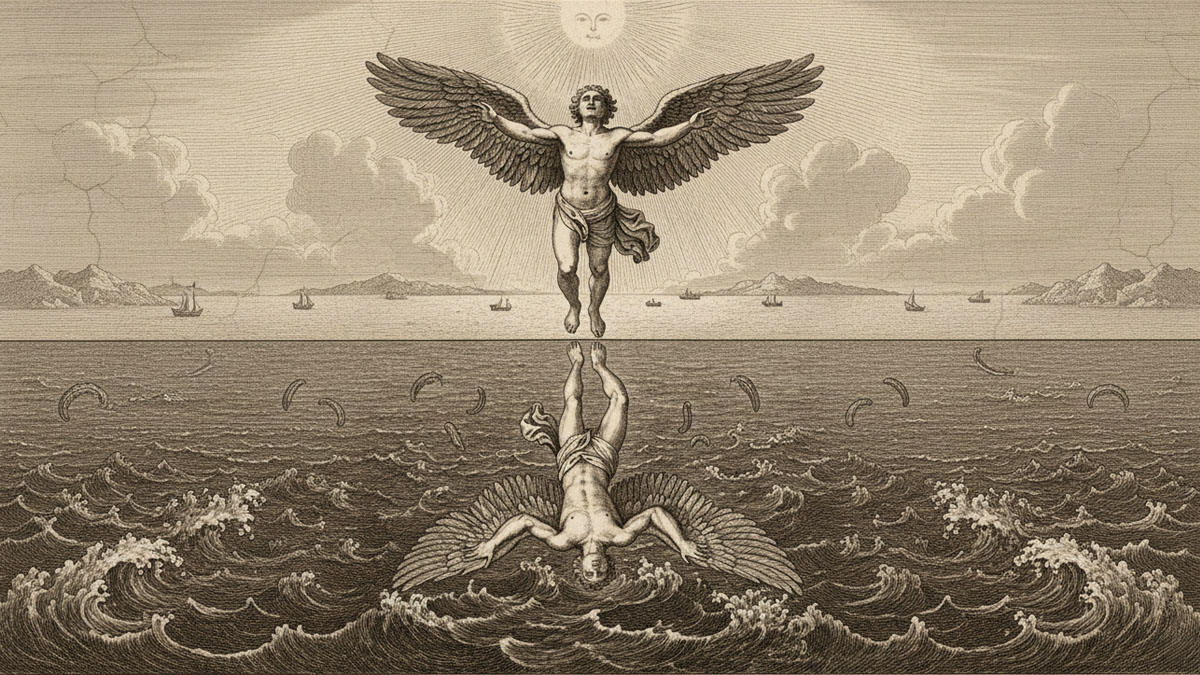
Engraving of a person with an inner fire energizing the whole body — a metaphor for sexual energy as the foundation of vital life force.

Most of us think of sexuality as a separate, self-contained function — something that only switches on in the bedroom. When we lose our libido under stress, we put it down to tiredness and wait for things to improve. We rarely connect the absence of desire with the absence of drive in other areas of life. Yet a drop in libido is often the very first — and most reliable — sign of Emotional Burnout: the moment your inner battery goes completely flat.

At the Consciousness Workshop, we see the human being as a single, unified energy system. In that system, there is no separate 'battery for sex' and 'battery for work'. There is one shared reactor.

In this article, we explore the underlying connection between sexual energy and creativity, unpack the mechanics of losing vitality, and explain why suppressing this dimension of life leads to a complete power outage across all areas.

Medical Disclaimer:
When to See a Doctor First

Psychosomatics is real — but it is a diagnosis of exclusion. The symptoms described in this article (pain, spasms, tightness in the throat) can also be signs of physical medical conditions.

Important note:
Before applying any self-regulation techniques, please consult a doctor and rule out organic causes. If your doctor has confirmed that there is no physical pathology and that your symptoms are stress-related — then this article is for you. Do not attempt self-treatment for acute physical pain.

Sexual Energy Meaning:
What It Is (Beyond Libido)

Sexual energy — in the language of our methodology — is not simply a physiological drive to reproduce. It is the fundamental, foundational life force of the organism. Think of it as your internal power plant: its energy fuels not only libido, but also creativity, charisma, enthusiasm, social engagement, and your overall capacity to enjoy life. When this energy is suppressed, the result is a systemic decline in vitality and life force.

A psychoanalytic classic — now backed by neuroscience.

Sigmund Freud introduced the concept of Sublimation — the redirection of sexual energy toward socially meaningful pursuits such as creativity and business.

From a neuroscience perspective, both run on the same fuel: the Dopamine Drive.

  • Sex = Dopamine + Oxytocin.
  • Creative flow = Dopamine + Oxytocin.

If you suppress your sexuality — through shame, guilt, or fear — you shut off the dopamine tap entirely. The result: no drive in the bedroom, and no drive in the boardroom.

How Sexual Energy Works:
Dopamine, Oxytocin, and the “Reactor”

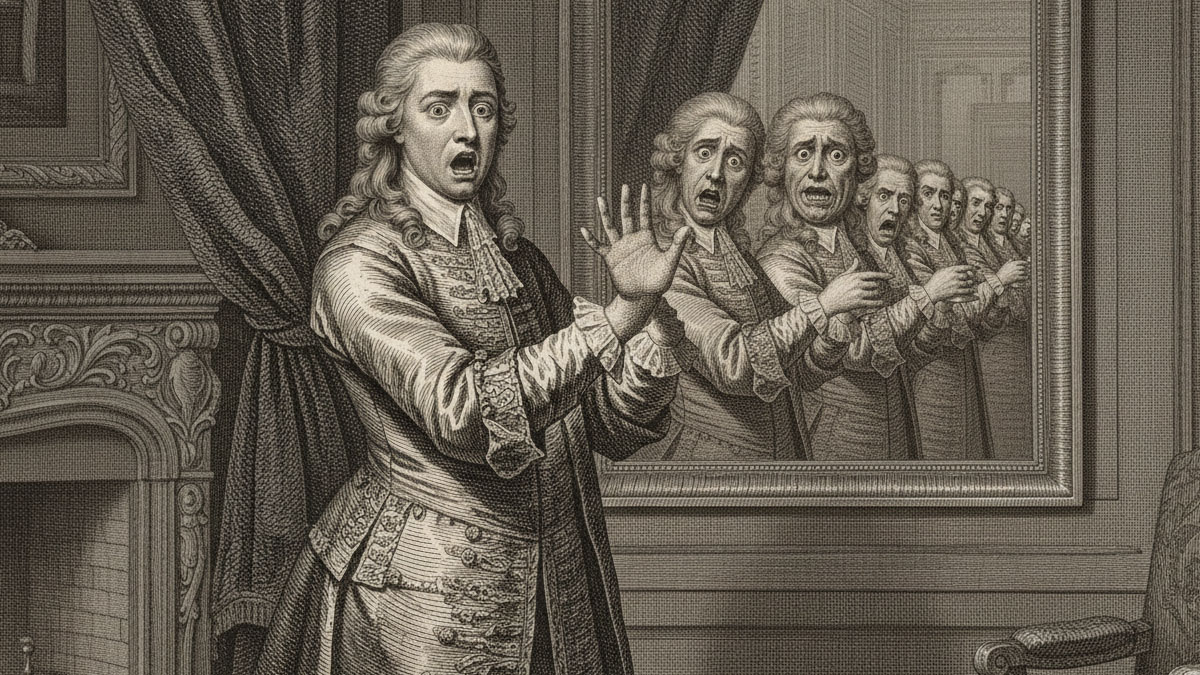
Engraving of a central power generator supplying an entire city — a metaphor for a single source of energy powering all areas of life.

To understand why a drop in libido so often coincides with a general sense of apathy, picture a nuclear power station supplying an entire city.
That station — your sexual energy — generates electricity for everything: street lighting (creativity), industrial output (career), and home heating (relationships and intimacy).

If, for whatever reason — stress, upbringing, fear — you decide to 'turn down' the heating sector, you cannot simply close one valve. You are forced to reduce the output of the entire reactor.

Why does stress kill libido? This is chemistry, not willpower.

The key biological mechanism: Your body is physically incapable of wanting sex when it is under stress. This is known as the Pregnenolone Steal.

  1. Your body produces a 'master hormone' called Pregnenolone.
  2. From it, the body synthesises both sex hormones (Testosterone/Estrogen) and stress hormones (Cortisol).
  3. Survival takes priority: when you are under stress, your body registers danger. It diverts ALL available pregnenolone toward producing Cortisol — leaving virtually no raw material for sex hormones.

Conclusion: Your libido hasn't disappeared. It has been converted into anxiety.

Why Stress Kills Libido:
The Nervous System Shutdown Response

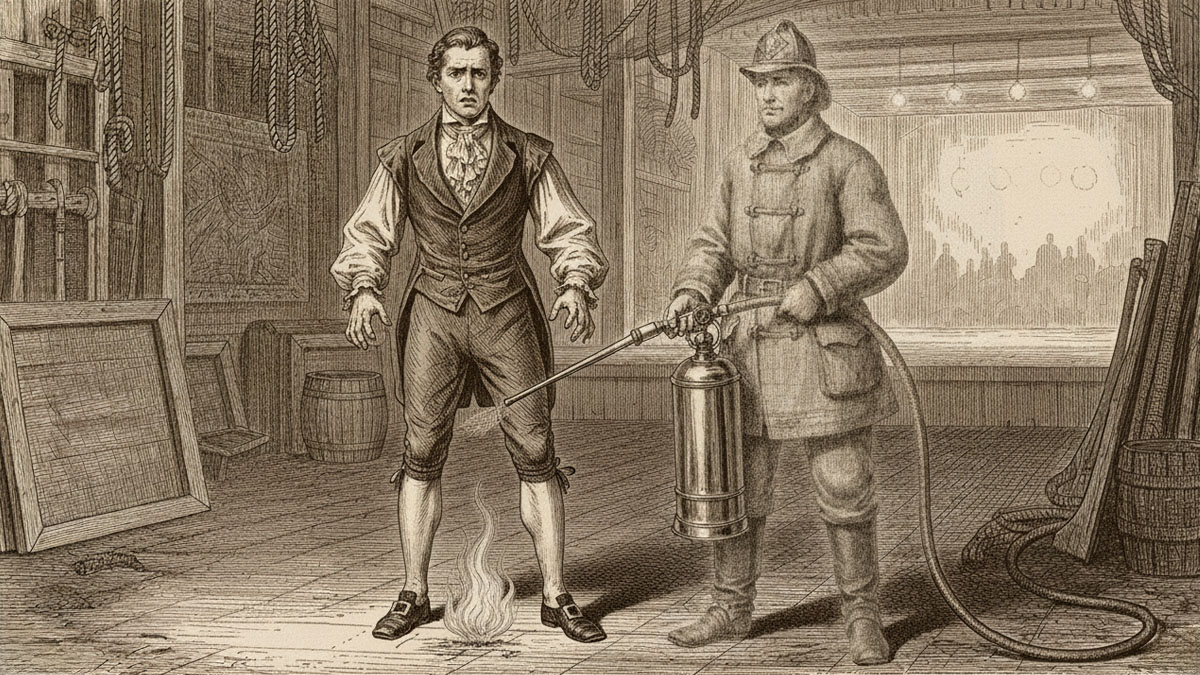
Engraving of a river blocked by a dam, turning into a stagnant swamp — a metaphor for blocked energy when sexuality is suppressed.

When you suppress your natural drives, you stall your engine. The car keeps moving on momentum — but it can no longer accelerate.

  1. External prohibition or Stress.
    Society or circumstances send the message: 'Now is not the time for pleasure', 'Sex is dirty / dangerous / inappropriate right now'.
  2. Blockage.
    You unconsciously tighten the body (pelvic tension) to avoid feeling aroused.
  3. Power outage.
    Along with arousal, you lose your drive, your spark, your desire to create.
  4. Psychosomatic consequences.
    The energy you generated but never released begins to fester internally — creating the link between suppressed sexuality and psychosomatic illness: chronic tension, stagnation, and physical complaints.

Physiology: What does this feel like in the body?

When animals are frightened, they tuck their tail between their legs. Humans have no tail — but the reflex remains.

Under chronic anxiety, you unconsciously brace your pelvic floor muscles around the clock.

  • This creates mechanical blood stagnation in the lower pelvis.
  • The brain stops receiving signals from that region (dissociation).
  • You lose the felt sense of your lower body — becoming, in effect, a 'head on legs'.

Low Libido Self-Test:
Are You in Fight, Flight, Freeze, or Fawn?

The nervous system conflict: why you cannot simply 'will' yourself into desire.

Table: 'War Mode vs Love Mode'

Parameter
⚔️ Sympathetic NS (Stress / War Mode)
💖 Parasympathetic NS (Rest / Intimacy Mode)

Dominant hormones

Cortisol, Adrenaline.

Oxytocin, Dopamine.

Blood flow

Redirected from the core to the muscles (fight or flight).

Flows toward the pelvic organs (arousal).

Pelvic muscles

Contracted and braced ('tail-tuck' reflex).

Relaxed and open.

Libido

Suppressed (reproduction during danger is a liability).

Active (a signal of safety).

Outcome

Survival.

Living and Creating.

Hidden Signs of Burnout:
Real-Life Links Between Libido and Motivation

Scenario 1:
'Where Did My Libido Go Under Stress?'

Engraving of a river blocked by a dam, turning into a stagnant swamp — a metaphor for blocked energy when sexuality is suppressed.

You are dealing with serious problems at work. Your brain shifts into 'Survival' mode.

How it works:
Your body registers a threat (for a deeper look at the fight-or-flight emergency response, see the Complete Guide to Managing Stress). In nature, reproducing during a crisis is a dangerous distraction. So the brain shuts down 'non-essential' functions — and libido is the first to go. But creativity follows right behind it. You become an efficient machine, but you lose your appetite for life.

Scenario 2:
'The Decent but Dull Person'

Someone lives a 'respectable' life — but a joyless one. No bad habits, but no spark either.

How it works:
Chances are, in childhood or adolescence, this person internalised a prohibition on expressing sensuality. They suppressed their 'wild' side. In doing so, they lost access to the very source of charisma and magnetism. Their 'power plant' is running at 10% capacity — just enough to keep the lights on.

Expert Perspective:

'Erotic intelligence is the ability to feel alive. Sex is not something you do — it is a place you go when you feel good. If you feel bad everywhere (stress), there is no room for sex inside you.'

Esther Perel, psychotherapist, leading contemporary expert on desire and intimacy, bestselling author.

How to Increase Libido Naturally:
Reigniting Drive, Creativity, and Joy

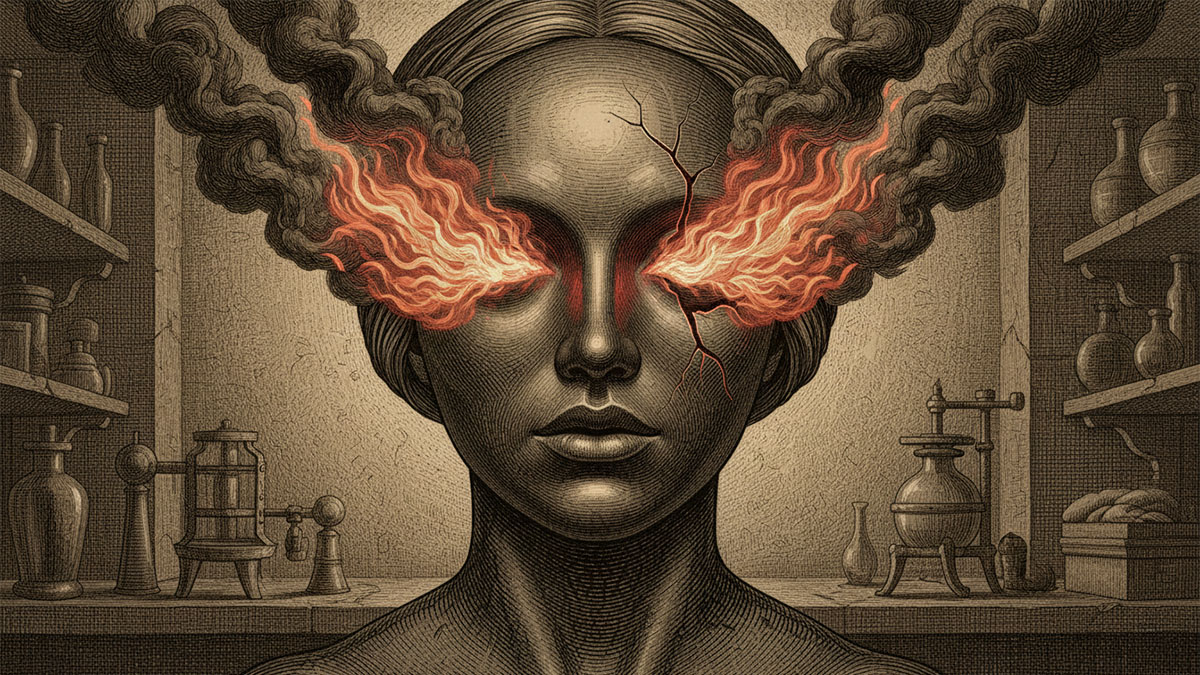
Engraving of a person unsealing a hidden spring — a metaphor for lifting inner blocks around sexuality and vital energy.

To restore your vitality and zest for life, you need to stop seeing sexuality as something shameful or secondary.

1. Acknowledge the source.

Recognise this: your desire to live, create, and love all share the same root. Cut that root, and the whole tree withers.

2. Remove the 'Classified' label.

Take an honest look at your beliefs. Whose voice does your subconscious echo when you deny yourself pleasure?

3. Restore the connection.

Don't start by searching for a partner — start by reconnecting with the sensitivity of your own body. Give yourself permission to feel.

An Unblocking Technique:
'Breathing into the Lower Belly'

Practice: 'Pelvic Breathing': 'Giving yourself permission' can feel daunting. 'Breathing into your belly' is easy.

To flip the switch from War to Peace, you need to release the tension you've been holding in your core.

  • Lie on your back with your knees bent.
  • Place your hands on your lower abdomen, just below the navel.
  • Breathe in so that your hands rise, and on each exhale, consciously relax the muscles of the pelvic floor.

Just 5 minutes of this breathing sends a powerful safety signal to the brain. Cortisol levels drop, and access to your energy opens up.

  • "Loss of morning libido is one of the earliest markers of Emotional Burnout — often appearing six months before total collapse."
  • "Chronic pelvic floor tension is the 7th segment of Reich's Muscular Armour."
  • "Sexuality is impossible in a state of dissociation. To learn how to return to your body, read the article Living in My Head."

Quick Start:
The First Steps to Restore Desire Today

Sex is not just about the bedroom. It's about your capacity to feel alive, energised, and magnetic in every area of life.

In the free Lesson 'Rediscovering Sexuality: Why It Is Your Primary Source of Vital Energy' (part of Course 5 'The Language of the Body') we explore:

  • How social conditioning creates an 'inner split' that drains your energy.
  • Why suppressing sensuality leads to anxiety and aggression.
  • The 'Mapping Your Blocks' practice — to identify and neutralise what's holding you back.

The full protocol for working with sexual energy and channelling it into creativity is available in the full paid Course 5. Start with the theory to understand just how much you've been missing.