Tension Headache Explained:
Causes, Symptoms, and Fast Relief
Author: Alex Guru | Reading time: 6 minutes

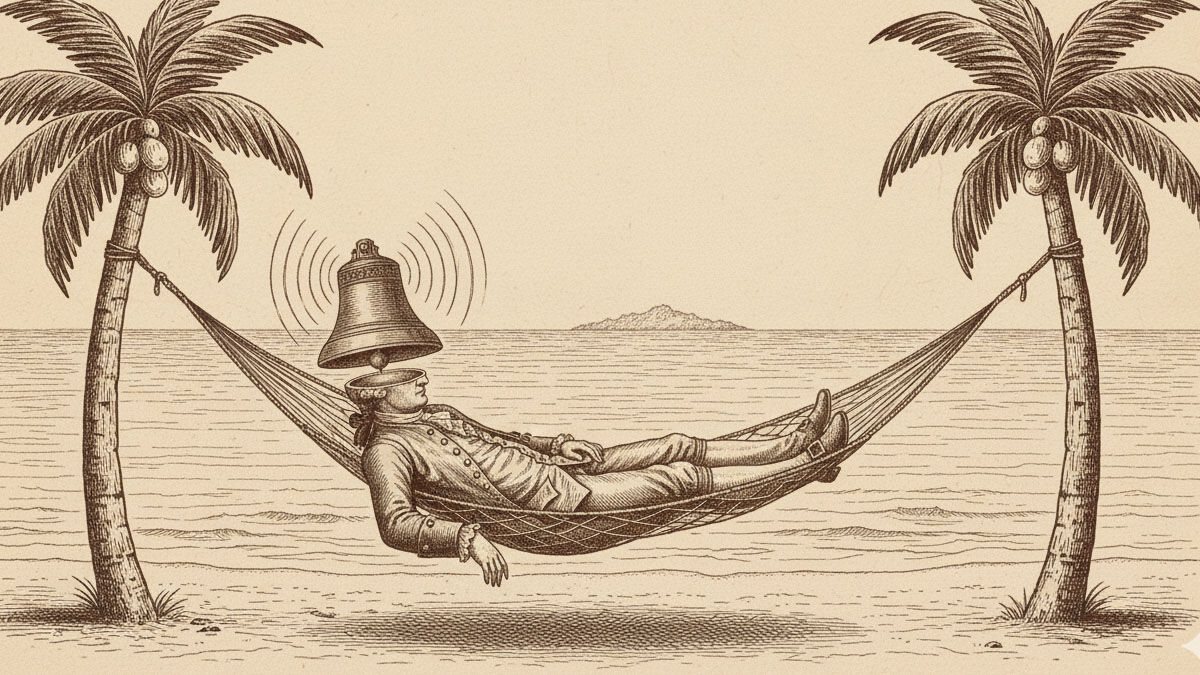
The workday is over. You close your laptop, but your head is still buzzing. It feels as though someone has clamped a tight iron band around your skull — or jammed a helmet on two sizes too small. Your temples throb, your eyes ache from the inside, and the back of your neck feels like concrete.
Doctors call this TTH — tension-type headache. Colloquially, it's sometimes called the 'neurotic's helmet.' You reach for a painkiller, and it helps — for a while. Then the next day, right on cue, the pressure returns.
You ask yourself: 'Why does my head hurt after work' if all I did was sit at a desk?
The answer is straightforward: your brain has overheated.
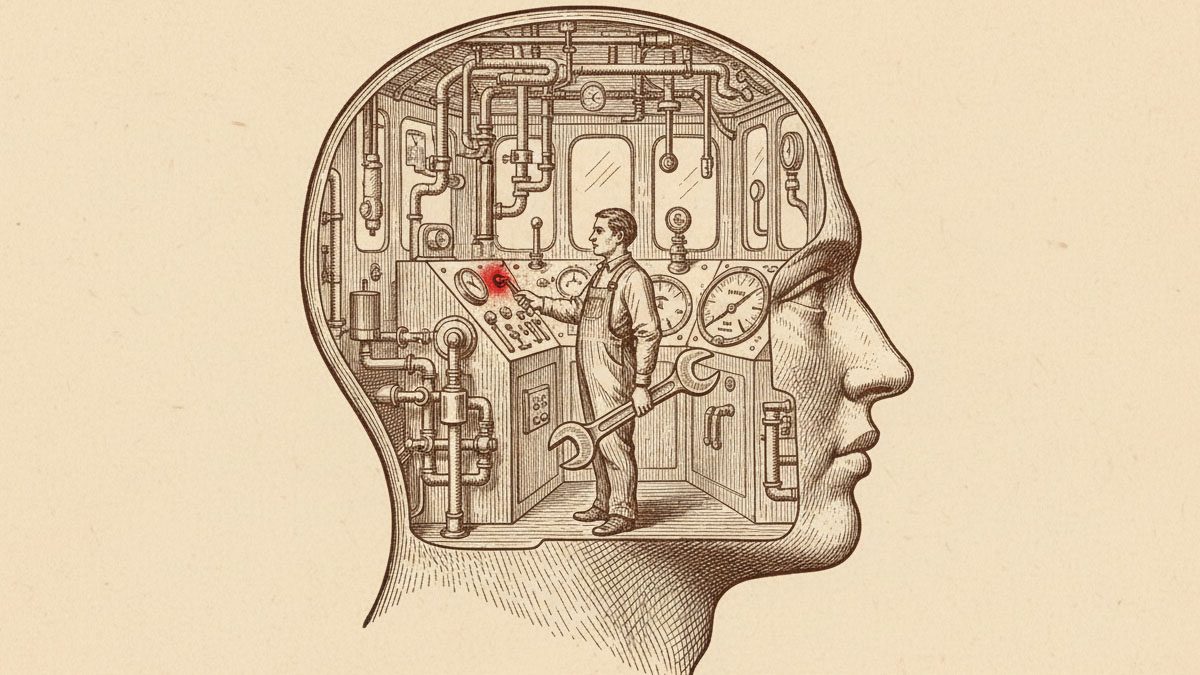
From the perspective of mind engineering, a tension headache is not primarily a vascular condition. It is the result of your mental processor running at full capacity with no cooling system in place.
In this article, we'll break down exactly how this happens, explore the connection to psychosomatic migraine, and show you how to remove the 'helmet' — without reaching for pills.
🛡 Safety Protocol
Psychosomatics is a real phenomenon, but it is always a diagnosis of exclusion. The symptoms described in this article — pain, muscle spasm, a sensation of tightness — can also be signs of organic medical conditions.
Important rule: Before using any self-regulation techniques, consult a doctor and get a proper medical evaluation. If your doctor says: 'We found nothing wrong — this appears to be stress-related' — then this article is for you. Do not attempt self-treatment when experiencing acute physical pain.