Low Libido Causes:
How Stress and Trauma Block Desire
Author: Alex Guru | Reading time: 6 minutes

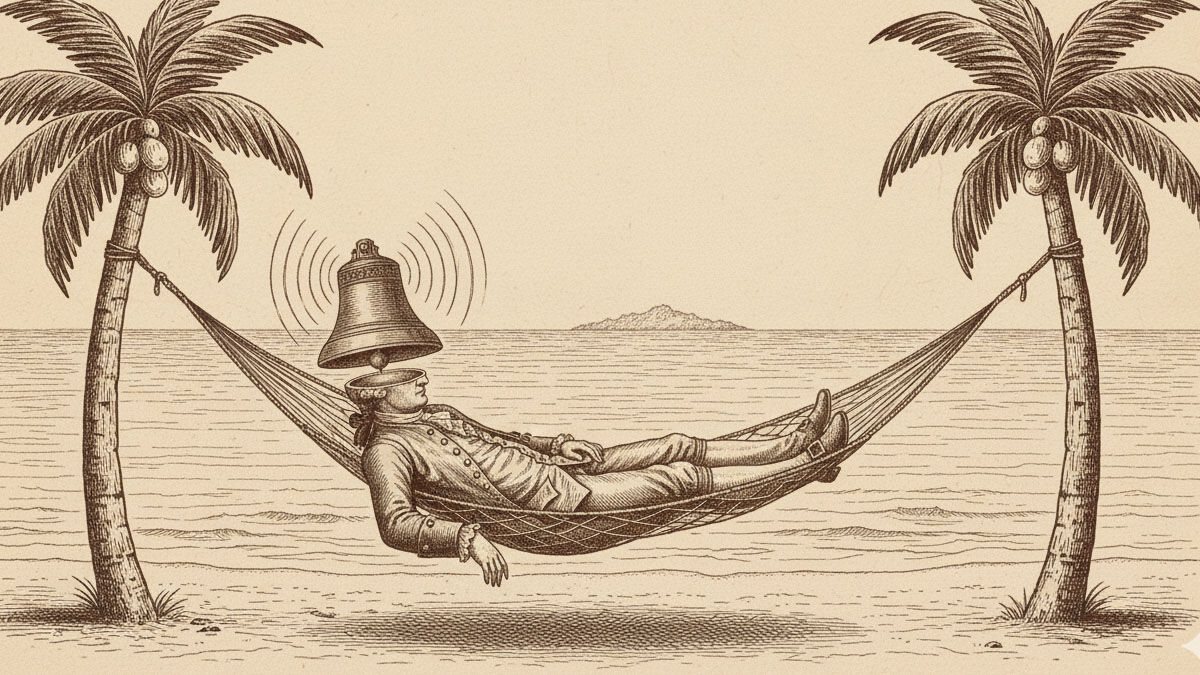
You've noticed the spark has gone out. Sex has become a marital obligation — or has disappeared entirely. You put it down to exhaustion, age, or hormones. You visit a specialist, get your blood work done, and everything comes back normal. Yet the desire simply isn't there.
You start searching online: 'low libido and stress' or even 'psychology of sexual dysfunction', wondering whether something is seriously wrong with you. The fear sets in that you're 'broken' — and that it might be permanent.
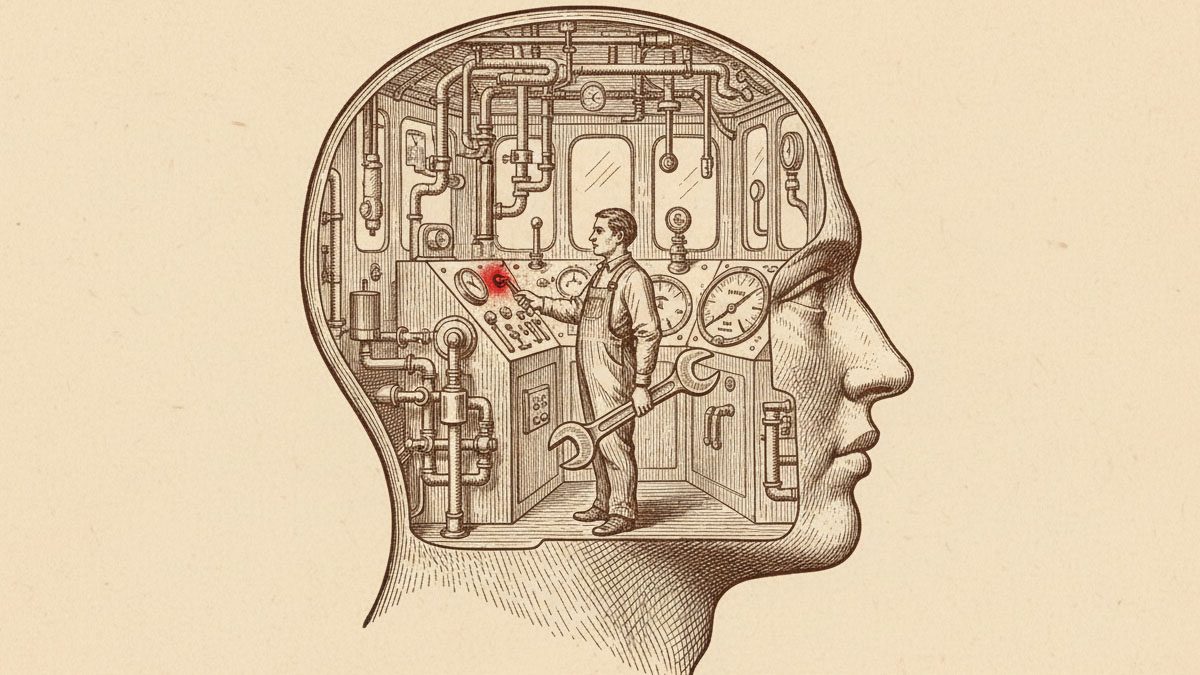
But from an engineering perspective, your body hasn't broken down. It has simply switched into emergency power-saving mode, or blocked off a sector it perceives as dangerous. Sexuality is not a standalone function — it is an indicator of your system's overall energy levels.
In this article, we'll explore the mechanics of sexual blocks in the body, uncover where your energy has actually gone, and look at how to restart the reactor.
🛡 Medical Disclaimer:
When Low Libido Needs a Doctor First
Psychosomatics is real — but it is always a diagnosis of exclusion. The symptoms described in this article (pain, spasms, tightness) can also be signs of physical medical conditions.
Rule: Before applying any self-regulation techniques, get a proper medical check-up. If your doctor says: 'There's nothing physically wrong — it's stress-related' — then this article is for you. Do not attempt self-treatment when experiencing acute physical pain.