Joy Generation Technique Explained:
Meaning, Steps, and Benefits

Engraving of hands striking a flint to create a spark. Metaphor for actively generating joy through willpower.

The Joy Generation Technique is a core practical tool for active state management within the Consciousness Workshop system. It is a deliberate act of instantly shifting attention away from a destructive experience (negativity) toward a constructive one (positivity), using pre-prepared triggers called Joy Anchors. Unlike passive "positive thinking" — which often amounts to self-deception — this is a concrete, trainable, mechanical skill for replacing one signal in your nervous system with another.

If a "Joy Anchor" is the button, then "Joy Generation" is the instruction for pressing it.

How the Joy Generation Technique Works (Joy Anchors + the 15-Second Rule)

Engraving of a person lighting a lamp in a dark basement. Metaphor for replacing negativity with positivity.

To understand this technique, picture a dark room. Fighting the darkness (negativity) directly is pointless — you can't scoop it out with a bucket. The only way to remove the darkness is to turn on the light.

The Engineering Logic of the Method:


Our brain cannot process two powerful signals with equal intensity at the same time.

  1. You notice the disruption — a negative emotion.
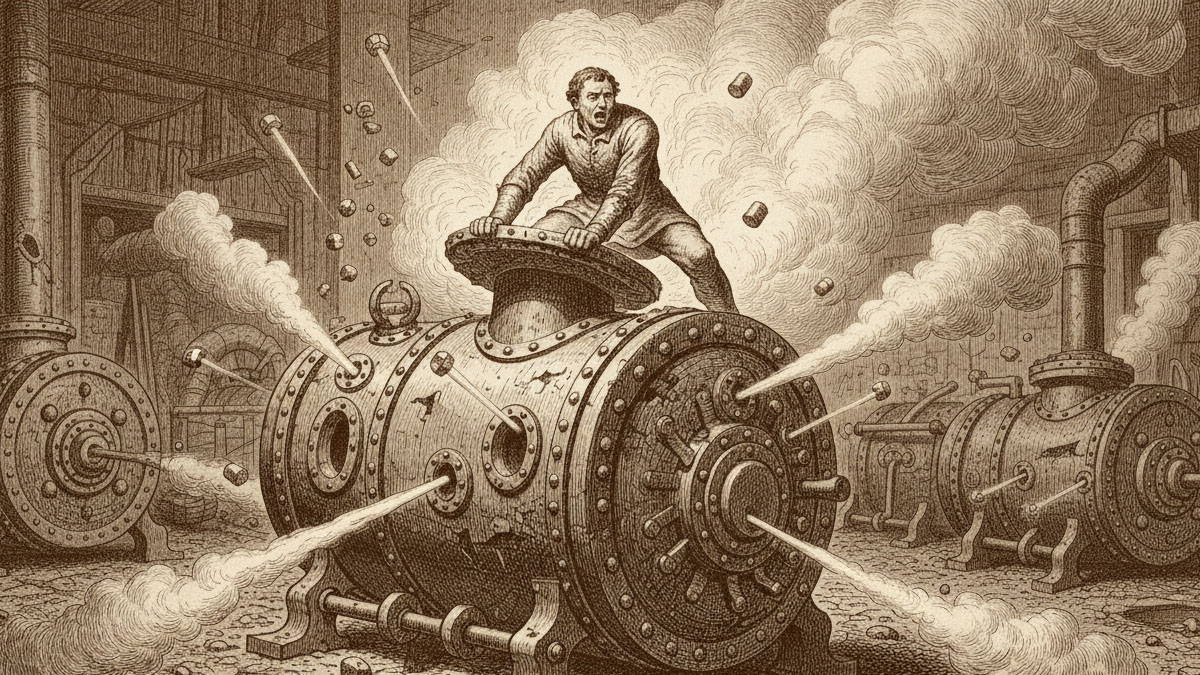
  2. You do not try to "suffocate" it (emotional suppression, as we know, leads to an eventual explosion).
  3. You make a deliberate shift: you consciously redirect your attention toward a Joy Anchor (learn how to create one in the dedicated lesson).
  4. The new, powerful signal displaces the old one. Your brain chemistry changes: instead of cortisol (the stress hormone), it begins producing dopamine and serotonin.

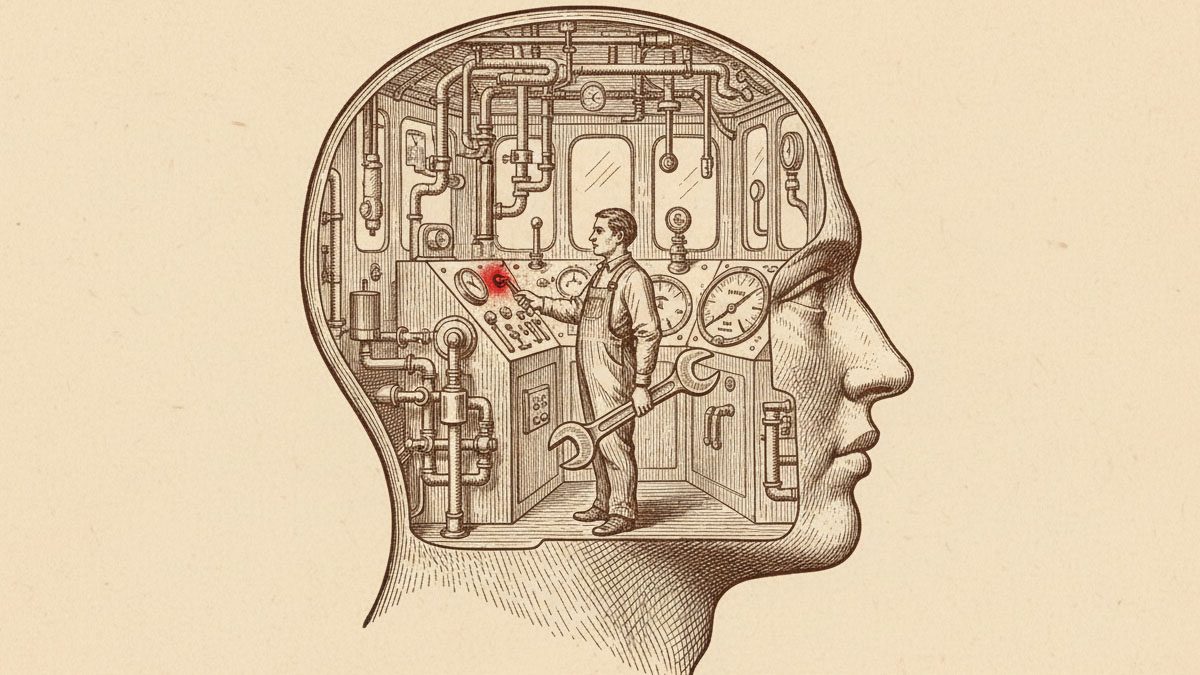
This isn't philosophy — it's flipping a switch.

Joy Generation vs Emotional Suppression:
Why Avoid Bottling Feelings

Suppression vs. Switching — Comparison Table

Parameter
🤐 Suppression (Harmful)
💡 Joy Generation (Beneficial)

The Action

You forbid yourself to feel («You can't be angry!»)

You allow the emotion but shift your focus («I can be angry, but I choose something different»)

Where the energy goes

It stays in the body as tension (psychosomatic symptoms)

It is transformed and released during the switch

Analogy

Pressing a lid onto a boiling pot

Removing the pot from the heat

Result

A future explosion (breakdown, illness)

Immediate relief and restored control

How to Recognize Joy Generation vs Positive Thinking and Affirmations

Engraving of a smiling mask placed over a skull. Metaphor for self-deception in positive thinking.

Many people confuse this method with affirmations, but the difference is fundamental:

"Positive Thinking" (Self-Deception):

You feel anger, but tell yourself: «I'm calm, everything is fine.» (Why this is dangerous and leads to neurosis is explored in the article The Positive Thinking Trap). You deny reality. The emotion is pushed inward — bottled up — and slowly erodes you from within.

"Joy Generation" (Practical Action):

You acknowledge it: «Yes, I'm angry (I see the darkness).» And immediately make a choice: «But I choose to turn on the light.» You're not lying to yourself — you're changing the system's settings.

How to Practice the Joy Generation Technique:
A Simple Step-by-Step Method

Engraving of a smiling mask placed over a skull. Metaphor for self-deception in positive thinking.

The technique consists of three steps that need to become automatic:

  1. «Stop!»: Recognize the negativity and give yourself a mental command to halt the reaction.
  2. «Anchor»: Instantly redirect your attention to a prepared image — a great cup of coffee, a warm embrace, a moment of triumph.
  3. «Immersion»: Hold your attention on the pleasant sensation for 10–15 seconds, until it becomes stable.

An Engineering Detail:
Why Hold for 15 Seconds?

The 15-Second Rule:

Why isn't it enough to simply flash a positive thought through your mind?

Because neurochemical processes have built-in inertia. When you activate an Anchor, the brain needs time to halt the release of cortisol (the stress hormone) and initiate dopamine production.

  • 0–5 seconds: The old emotion is still dominant; the new one feels forced.
  • 5–10 seconds: The turning point.
  • 15+ seconds: The system has switched — you feel genuine physical warmth.

The beginner's mistake is abandoning the technique at the 5-second mark with «it's not working.» It is working. Just wait for it to load.

A Real-Life Example:

Someone cuts you off in traffic

  1. Autopilot: A flash of rage, the urge to chase them down.
  2. The Technique: You say «Stop!» You picture your daughter's laughing face (Anchor).
  3. Hold: You keep that image in mind for 15 seconds, noticing the dimples on her cheeks.
  4. Result: The anger is gone, your pulse is back to normal. You've saved energy you would have wasted on an empty conflict.

This is the central skill of Course 1: «Freedom from Suffering». The complete guide to mastering this skill — along with a list of effective anchors — is available in the free lesson: