Energy Budget Explained:
Manage Your Energy Like Money

Alchemical scales engraving showing energy budget imbalance — a metaphor for managing vital force and life energy.

An Energy Budget is a systematic approach to managing your personal resources — one that treats vital energy as a convertible currency. It is the precise balance between processes that replenish your system's energy ("Income") and actions that deplete it ("Expenditure"). Keeping this balance in the positive is the physiological foundation of high personal effectiveness and lasting health.

How an Energy Budget Works in Daily Life

Engraving of a bankrupt man at a bank teller window — a metaphor for chronic energy deficit and vital force depletion.

To understand how your system operates, think of it like a bank account.
Every action, thought, or emotion is a financial transaction.

  1. "Income" Transactions (Fuel):
    Deep sleep, nourishing food, creative pursuits, time with people you enjoy. These activities add to your balance.
  2. "Expenditure" Transactions (Drain):
    Stress, conflict, anxiety, doing work you resent. These activities withdraw from your account.

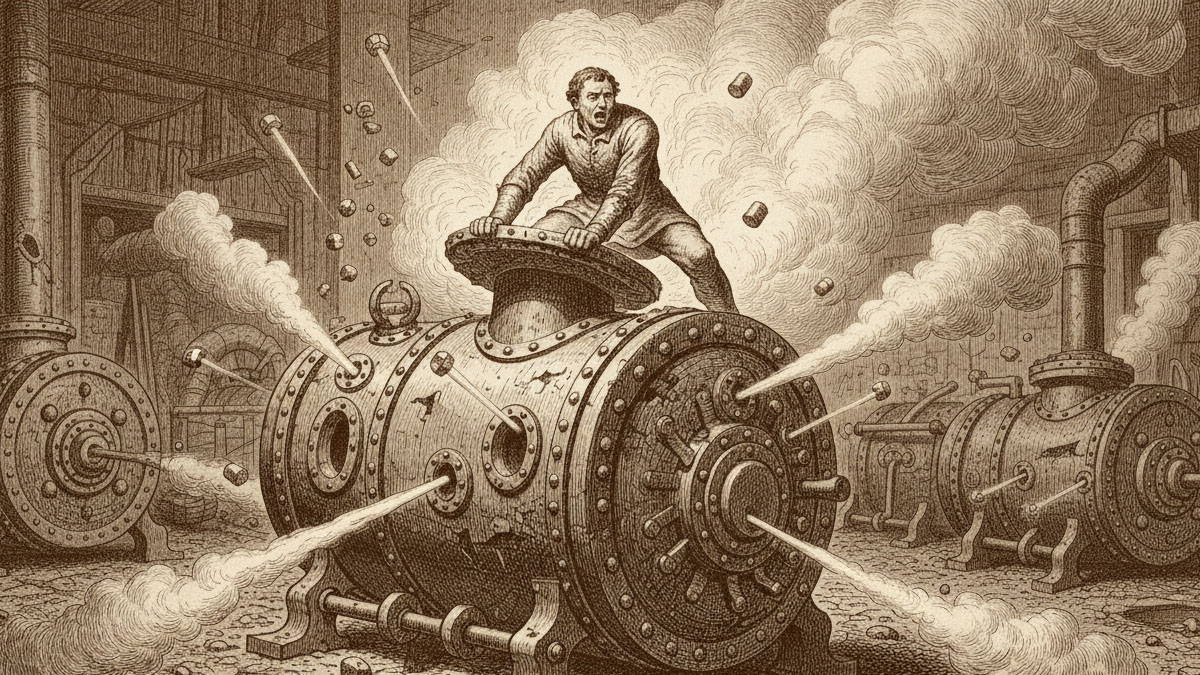
The core problem for most people is that they live in a state of chronic energy deficit. They spend more than they earn, running up a tab against their own health. The body begins operating in survival mode — shutting down "non-essential" functions like joy, libido, and immune response just to keep going.

  • "Before you can top up your budget, you need to plug the Attention Black Holes — otherwise, energy will keep leaking out no matter how much you add."
  • "The most expensive drain on your budget is maintaining Vampire Desires."
  • "Replenishing your account is only possible in Energy Accumulation Mode. In depletion mode, you can only lose."

Your Biggest Energy Drains and Boosters (Personal Price List)

Table: What Does It Cost?

(Relative Energy Units)
Expenditure Item (Withdrawal)
Cost
Income Item (Replenishment)
Gain

Argument with a loved one

−100 units

Deep sleep (8 hours)

+80 units

One hour on social media

−30 units

Walk in nature

+40 units

Suppressing anger

−50 units

A good meal without your phone

+20 units

Work you dislike (1 hour)

−40 units

Hobby / Creative activity

+50 units

Total:

You often end up in the negative — without even noticing.

The Energy Credit Trap:
Caffeine, Sugar, Adrenaline, and Burnout

Coffee and anger don't give you energy — they borrow it from your future self.

What do you do when your balance hits zero but you still need to perform? You take out a loan.

In biological terms, the lenders are Caffeine, Sugar, and Adrenaline (Anger / Fear).

  • After a strong coffee or a heated argument, you may feel a surge of energy. That's an illusion. You haven't generated new energy — you've raided your body's emergency reserves.

The Interest Rate:
For every hour of activity run on borrowed energy, you'll pay with double the recovery time the next day. Live on credit for years, and the debt collectors arrive in the form of chronic illness and burnout.

Negative Energy Budget Symptoms:
How to Tell You’re Running Low

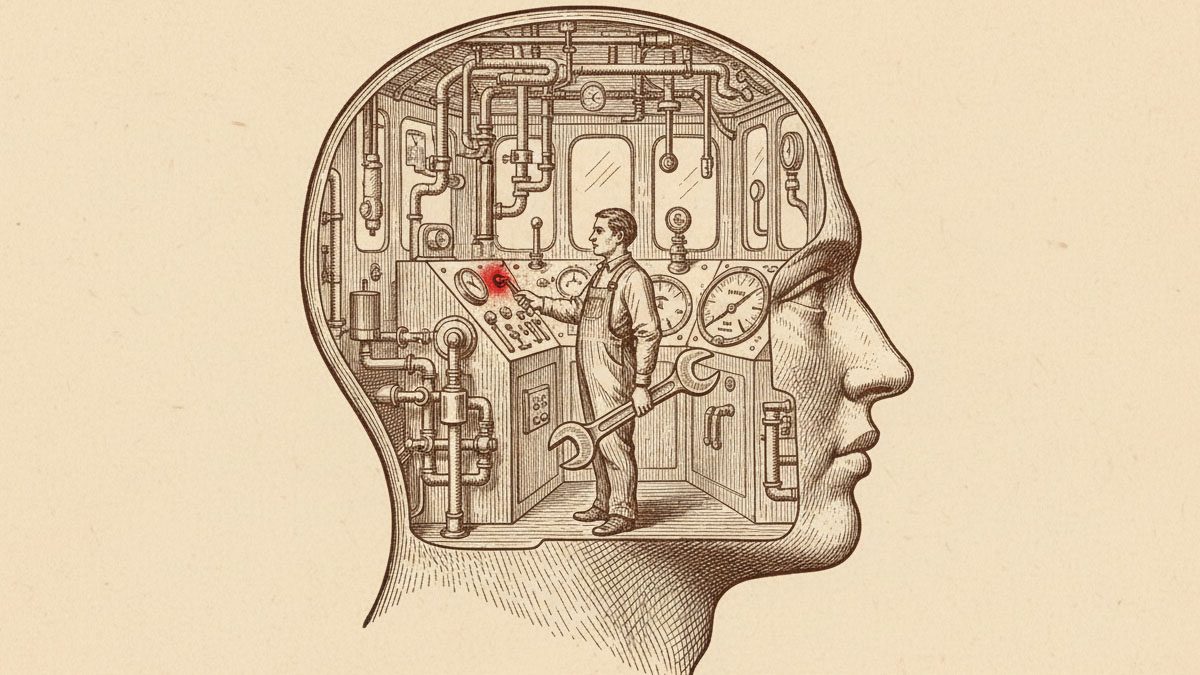
Engraving of a dashboard with warning lights — a metaphor for symptoms of a negative energy budget and vital force depletion.

When your energy budget is running negative, your system sends out warning signals:

  • Morning Bankruptcy:
    You wake up already exhausted. (To understand why sleep stops working as a recharge, read our article on Morning Anxiety and Fatigue.) Your account didn't have enough time to recover overnight.
  • Irritability:
    A defensive response from the psyche — an attempt to cut off extra social demands in order to conserve whatever energy remains.
  • Loss of Motivation:
    Your brain refuses to invest energy in new projects because there are simply no free resources available.
  • Mindless Scrolling:
    You drift through social media for hours because you don't even have enough energy to get up and go to bed.

How to Fix Your Energy Budget:
Practical Steps to Recharge

Engraving of an accountant tracking income and expenses — a metaphor for conducting an energy budget audit.

You cannot become more effective simply by pushing yourself to work harder — that's just taking out more loans. What's needed is a full audit and a genuine restoration of energy balance.

  1. Track your transactions:
    Throughout the day, note which activities give you Fuel and which act as a Drain.
  2. Cut your expenditures:
    Ruthlessly eliminate your biggest energy drains. (For a practical guide on identifying Energy Vampires and closing leaks, see our full guide.)
  3. Grow your income:
    Deliberately schedule activities that replenish you — your Battery Desires — even when it feels like there's no time for them.

The Golden Rule of the Budget:
Keep a 30% Reserve

Practice: The "30% Rule"

No system can run at 100% capacity indefinitely — it will burn out.

  • Never schedule your day back-to-back with no breathing room.
  • Always keep 30% of your time and energy in reserve for the unexpected.
  • If you're collapsing by evening, you've seriously overdrawn your budget. The healthy state before bed is mild, pleasant tiredness — not exhaustion.

This approach is explored in depth in Course 1: "Freedom from Suffering". You can learn to keep your own vital energy income-and-expense journal in the paid lesson: